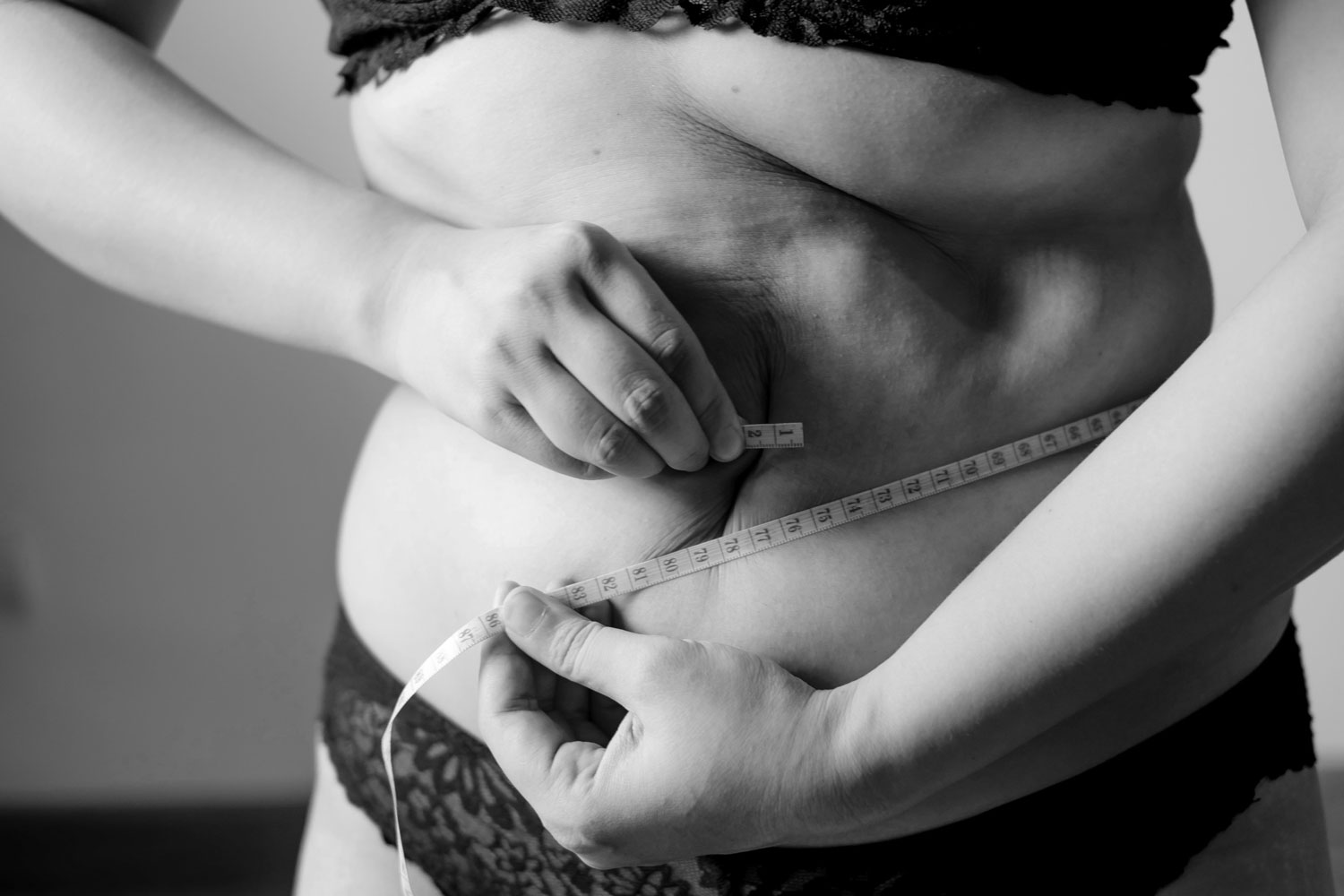

I see it in my clinic almost daily. Women in their late 40s or early 50s sitting across from me, describing how they no longer recognise themselves. They’re exhausted despite sleeping, irritable without reason, and struggling through days that used to feel manageable. “I just don’t feel like me anymore,” they say. If this sounds familiar, you’re not alone. Menopause affects every woman differently, but one thing remains constant. You don’t have to simply endure it.
As a female doctor who specialises in hormone replacement therapy, I understand both the medical science and the lived experience of what menopause does to women. Let me walk you through what’s actually happening in your body, why you feel the way you do, and how HRT can help you reclaim your vitality.
What’s actually happening during Menopause
Menopause isn’t just about periods stopping. It’s a fundamental shift in your hormone production that affects virtually every system in your body. Your ovaries gradually produce less oestrogen and progesterone, the hormones that have regulated everything from your mood to your metabolism for decades.
This hormonal decline doesn’t happen overnight. Perimenopause, the transition phase leading to menopause, can start in your 40s or even late 30s. During this time, hormone levels fluctuate wildly rather than declining smoothly. This explains why symptoms can feel so unpredictable and intense.
The symptoms nobody warns you about
Everyone knows about hot flushes. What they don’t tell you is that menopause can affect your entire life in ways that feel impossible to manage.
Hot flushes and night sweats disrupt your sleep, leaving you exhausted. You wake up drenched, change your clothes, and struggle to fall back asleep. This broken sleep compounds everything else you’re experiencing.
Brain fog makes work challenging. You forget words mid-sentence, struggle with concentration, and feel mentally slower than usual. Tasks that once felt automatic now require significant effort.
Mood changes can be dramatic. You might feel tearful, anxious, or irritable without clear reason. Some women describe feeling emotionally fragile or overwhelmed by situations they’d normally handle easily.
Physical symptoms extend beyond the obvious. Joint aches and pains appear seemingly from nowhere. Your muscles feel stiff in the mornings. Energy levels plummet, leaving you feeling drained even after rest.
Changes in your intimate health create discomfort. Vaginal dryness, reduced libido, and discomfort during intercourse affect relationships and confidence.
The cumulative effect of these symptoms is what brings women to my clinic. They’re not asking for miracles. They simply want to feel human again.
What HRT actually does
Hormone replacement therapy replaces the oestrogen and progesterone your body no longer produces adequately. This isn’t about taking synthetic chemicals your body doesn’t recognise. Modern HRT uses bioidentical hormones that match your natural hormones.
The treatment comes in various forms. Patches, gels, tablets, and vaginal preparations allow flexibility in how you receive hormones. Some women need oestrogen alone, others require combined oestrogen and progesterone. The right combination depends on whether you still have your uterus and your specific symptom pattern.
HRT doesn’t work instantly. Most women notice improvements within the first few weeks to months. Hot flushes typically reduce first. Energy levels gradually improve. Sleep quality enhances as night sweats decrease. Mood stabilises over time. Joint aches often diminish. Brain fog lifts, allowing clearer thinking.
The goal isn’t to make you feel 25 again. It’s to help you feel like yourself, capable of enjoying life and managing daily demands without the overwhelming burden of menopausal symptoms.
Addressing the fear around HRT
Many women hesitate about HRT because of concerns about risks, particularly breast cancer and blood clots. Let me address this directly with current evidence.
For most women, the benefits of HRT significantly outweigh the risks, especially when started within 10 years of menopause or before age 60. The increased breast cancer risk with HRT is small and comparable to the risk from being overweight or drinking moderate amounts of alcohol regularly.
Blood clot risk varies depending on how you take HRT. Transdermal HRT through patches or gels carries minimal clot risk compared to tablets. For many women, this makes it a safer option.
Individual risk assessment is crucial. Your personal and family medical history, age, and specific health conditions all influence whether HRT suits you. This is why proper medical consultation matters rather than making decisions based on general information.
Some women cannot use HRT. Those with a history of certain cancers, unexplained vaginal bleeding, or active blood clots need alternative approaches. However, many women previously told they couldn’t use HRT actually can when properly assessed.
What to expect from your HRT consultation
When you come for an HRT consultation, we spend proper time discussing your experience. Not the rushed 10 minutes you might get with a standard GP appointment. At least 30 minutes allows thorough exploration of your symptoms, medical history, and concerns.
I ask about all your menopausal symptoms, not just the obvious ones. How’s your sleep? Your mood? Your energy? Your relationships? Your work performance? This complete picture helps determine whether HRT is appropriate and which type might work best.
We discuss your medical history thoroughly. Previous health conditions, medications, family history of certain diseases. This assessment ensures HRT is safe for you specifically.
I explain the different HRT options available. The types of hormones, delivery methods, dosing approaches. You’ll understand what each option offers and which suits your lifestyle and preferences.
We create a management plan together. This isn’t me prescribing something and sending you away. It’s a collaborative approach where you understand what you’re taking, why, and what to expect.
Follow-up is essential. HRT often requires adjustment. The initial dose might need changing, or a different delivery method might work better. Regular monitoring ensures you’re getting optimal benefit with minimal side effects.
Beyond HRT: The complete approach
HRT works best as part of a comprehensive approach to menopausal health. Certain lifestyle factors significantly affect how you experience menopause.
Exercise helps. Regular movement improves mood, maintains bone density, and supports overall health during this transition. You don’t need intense workouts. Consistent moderate activity makes a real difference.
Diet matters. Calcium and vitamin D support bone health as oestrogen declines. Reducing caffeine and alcohol can help with hot flushes and sleep. A balanced diet supports energy and wellbeing.
Stress management becomes crucial. Menopause itself is stressful, and stress worsens symptoms. Finding ways to manage stress whether through yoga, meditation, or simply time for yourself supports the process.
Sleep hygiene helps counter the effects of night sweats. Keeping your bedroom cool, using breathable bedding, and maintaining consistent sleep routines can improve rest quality.
You deserve to feel like yourself
Menopause is inevitable, but suffering through it isn’t. HRT offers proven, effective relief for the symptoms that steal your energy and confidence. As a doctor who works with menopausal women daily, I’ve seen how transformative proper hormone therapy can be.
The women who come back for follow-up appointments often look different. Not younger, but more alive. They have energy for their families, focus for their work, and enthusiasm for life again. They recognise themselves.
If you’re struggling with menopausal symptoms, don’t accept them as something you must simply endure. Book a consultation. Let’s discuss whether HRT could help you feel human again. You deserve to thrive during this life stage, not just survive it.
Ready to feel like yourself again?
At Dr N Clinics in the City of London, we offer comprehensive HRT consultations with minimum 30 minute appointments. No rushing, no dismissing your concerns, just proper time to discuss your symptoms and create a personalised treatment plan. Dr Nugwa combines medical expertise with genuine understanding of what menopause does to women’s lives. Book your consultation today and take the first step towards reclaiming your energy and vitality.