
Intradermal Injections
Stubborn skin conditions that resist conventional treatments need a more direct approach. Intradermal injections deliver therapeutic ingredients straight into affected tissue, working at a cellular level where surface treatments cannot reach. At Dr N Clinics, Dr Nugwa uses intradermal injection protocols for difficult cases of hyperpigmentation, tissue healing, and scar improvement. Her evidence-based approach combines clinical research with her own practice observations to determine which injection type delivers the best results for your specific condition.
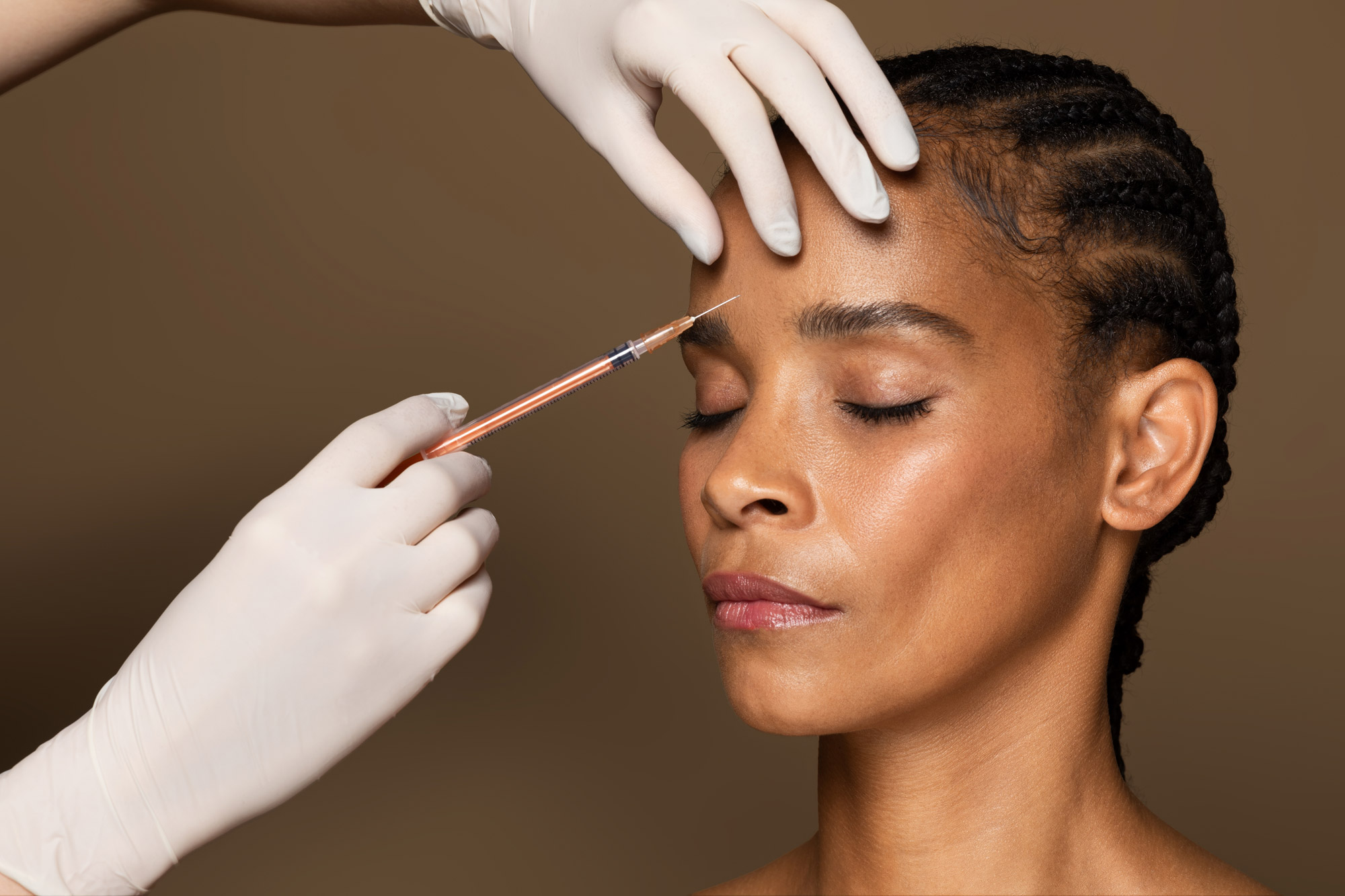
What are Intradermal Injections
Intradermal injections deliver active ingredients directly into the dermis, the middle layer of your skin, or into specific tissues. This targeted delivery concentrates treatment exactly where it’s needed, allowing therapeutic substances to work at a cellular level. Unlike topical creams that sit on the surface or oral medications that affect your whole body, intradermal injections focus their action precisely on the problem area.
At Dr N Clinics, different injection types serve specific purposes. Tranexamic acid targets resistant melasma and hyperpigmentation, particularly difficult cases that haven’t responded to other treatments. Platelet-rich plasma uses your own blood’s healing properties for tissue repair. Glutathione provides antioxidant support for skin health. Steroid injections address problematic scar tissue. Each uses the intradermal delivery method but achieves different therapeutic goals based on what’s injected and where.
Treatment options
- Tranexamic acid injections for resistant melasma and hyperpigmentation
- PRP injections for tissue repair and regeneration
- Glutathione injections for skin brightening support
- Steroid injections for scar treatment
Key benefits
Intradermal injections provide powerful solutions when surface treatments haven’t worked.
- Delivers treatment directly to affected areas
- Works at cellular level for deeper therapeutic action
- Highly effective for stubborn, resistant conditions
- Targeted approach reduces systemic side effects
- Evidence-based protocols with proven results
- Can be combined with complementary treatments
- Addresses underlying causes, not just symptoms
How long does the treatment last?
Treatment duration depends on which injection type you’re receiving and what condition is being treated. Most intradermal injection protocols involve a series of treatments rather than single sessions.
For resistant melasma and hyperpigmentation using tranexamic acid, Dr Nugwa uses a seven session protocol. Each session is spaced two weeks apart, based on successful clinical studies. Most clients begin seeing noticeable improvement after four sessions, with continued enhancement throughout the treatment course. Results can last for months when maintained with proper sun protection and skincare.
PRP injections for tissue healing may require one to three sessions depending on your specific condition. Your body’s natural regeneration processes take time, with progressive improvement over weeks to months. For other injection types, Dr Nugwa will recommend specific protocols during your consultation based on clinical evidence and your individual needs.
Treatment Options for Intradermal Injections
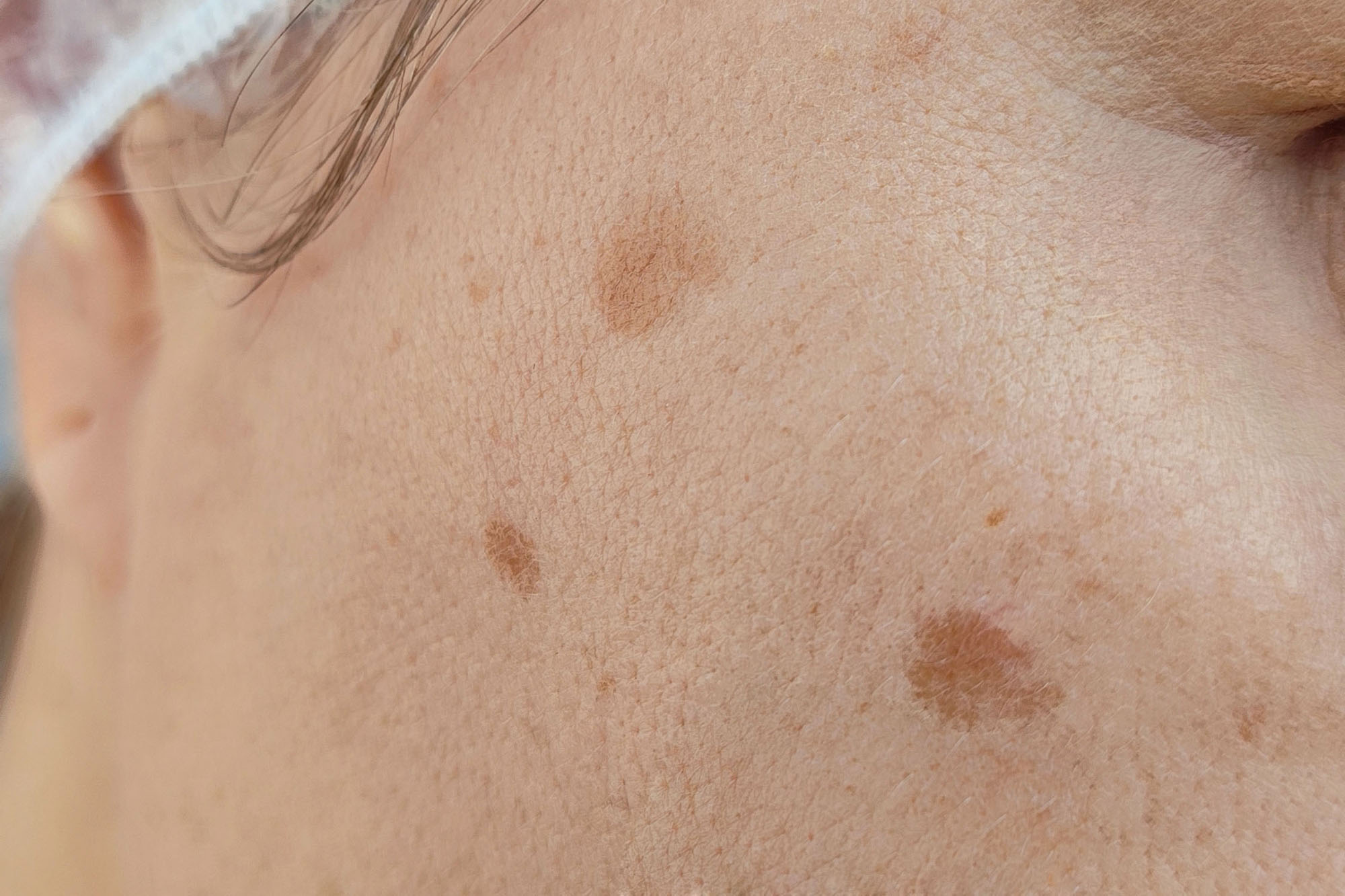
Tranexamic acid injections
The most effective intradermal treatment for resistant melasma and hyperpigmentation.
- Seven session protocol based on clinical studies
- Multiple diluted injections across affected areas
- Superior results demonstrated in clinical practice

PRP
injections
Natural healing using your own blood’s growth factors.
- Platelet-rich plasma promotes tissue regeneration
- Effective for conditions requiring healing
- Alternative approach for specific tissue concerns

Glutathione injections
Antioxidant support for overall skin health and brightening.
- Provides powerful antioxidant benefits
- Supports skin vitality and tone
- Complements other treatment approaches
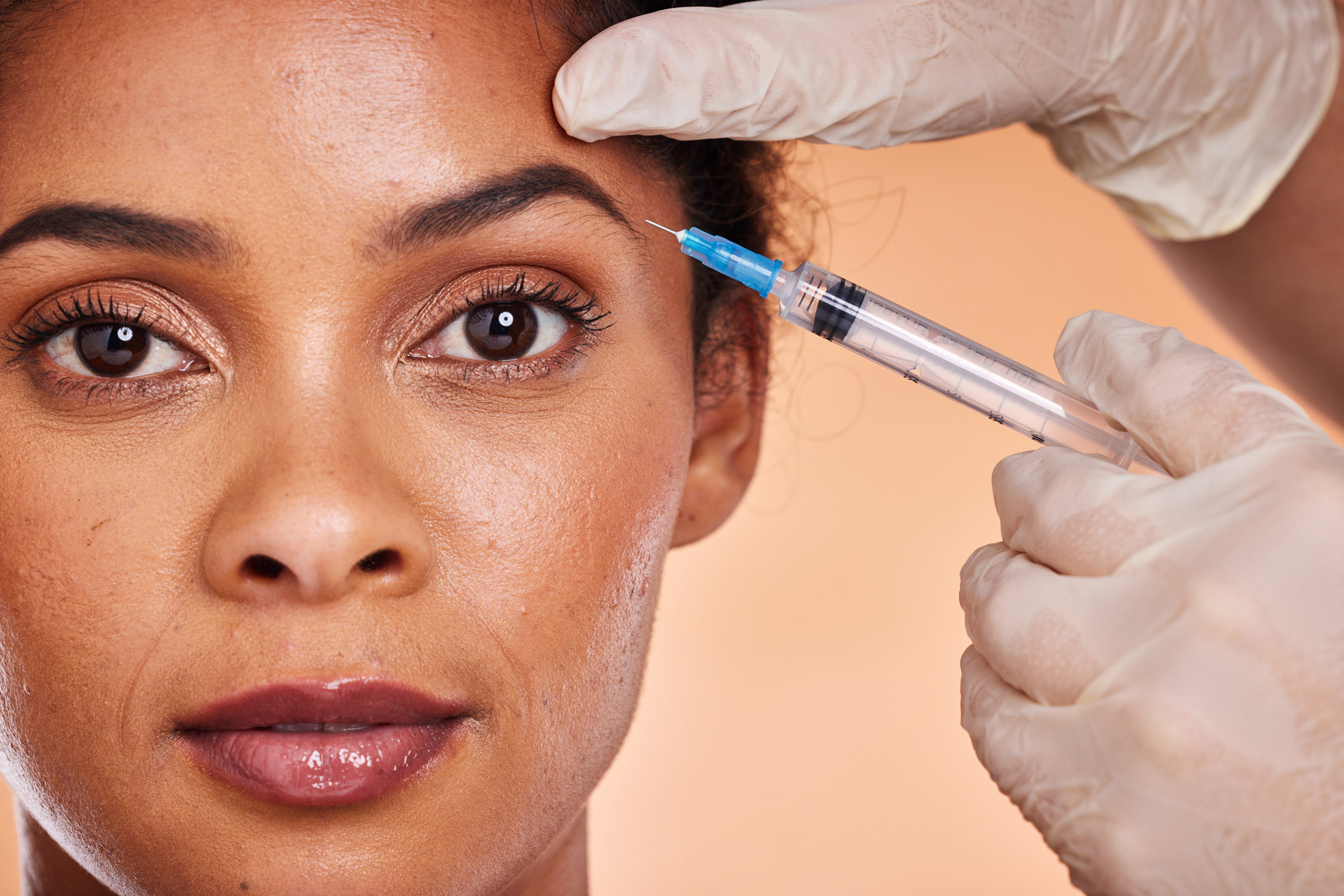
Steroid injections
Targeted approach for problematic scar tissue.
- Reduces raised and keloid scars
- Applied directly to affected areas
- Progressive improvement over treatment series
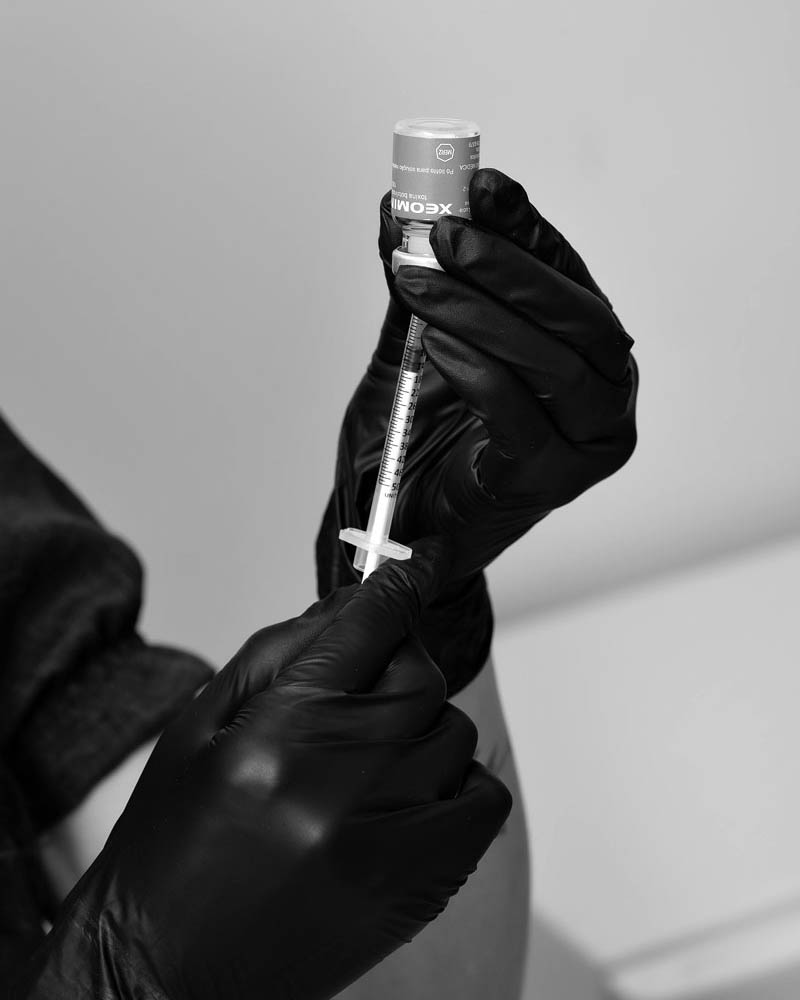
At a glance
Treatment time
Each session takes approximately 30 to 60 minutes depending on the treatment area and injection type. This includes preparing the area, applying numbing cream, waiting for it to take effect, performing multiple small injections, and providing aftercare instructions.
Anaesthetic
Topical numbing cream (4% lidocaine) applied before treatment
Recovery time
Minimal, most clients return to normal activities immediately
Duration of result
Several months with proper maintenance and sun protection
Sessions
Seven sessions for tranexamic acid (two weeks apart), one to three for PRP, varies for other types
Results
Noticeable improvement typically from fourth session onwards for pigmentation, progressive healing over weeks to months for tissue repair
Aftercare
Avoid touching or rubbing treated areas for several hours. Use gentle skincare products only for 24 hours post-treatment. Sun protection is absolutely essential, apply SPF 50 or higher daily and reapply throughout the day. Avoid excessive heat, saunas, hot yoga, and strenuous exercise for 24 hours. Continue any prescribed topical treatments as directed between sessions.
Prices
Intradermal injection pricing varies depending on the type of injection and treatment protocol required. Dr Nugwa will discuss specific costs during your consultation based on your condition and recommended treatment plan. Treatment packages are available.
| Dr Nugwa | |
|---|---|
| Standard Package (3 months) | from £550 |
| Advanced Package (3 months) | from £750 |
| Premium Package (6 months) | from £1200 |
| Membership (annual) find out more | from £3000 |
Frequently asked questions
If you would like to discuss any concerns with your provider or have any other questions regarding your medical history, please get in touch.
How do you know which injection type works best?
Dr Nugwa bases recommendations on both clinical research and her own practice observations. She’s conducted comparative studies in her clinic, testing different injection approaches on the same patient to see which delivers superior results. This evidence-based approach ensures you receive treatment that actually works.
Why do you recommend tranexamic acid for melasma?
Clinical studies support its effectiveness, and Dr Nugwa’s own practice experience confirms this. She conducted a comparative study where one side of a patient’s face received tranexamic acid whilst the other received PRP. After four sessions, the tranexamic acid side showed far better results, leading to focus solely on that approach.
What happened in your comparison study?
Dr Nugwa treated a client with very resistant melasma that hadn’t responded to chemical peels or topical creams. She used PRP injections on the left side and tranexamic acid on the right. After four sessions, the tranexamic acid side showed noticeable improvement whilst the PRP side didn’t respond as well. From the fifth session onwards, treatment focused entirely on tranexamic acid with excellent ongoing results.
Do the injections hurt?
Topical numbing cream is applied before treatment, which significantly reduces discomfort. Most clients report feeling only minor pinprick sensations during the procedure. The treatment is generally well-tolerated.
Can I have these injections if I have darker skin?
Absolutely. These treatments are particularly beneficial for skin of colour, which is more prone to stubborn melasma and post-inflammatory hyperpigmentation. Dr Nugwa has extensive experience treating darker skin tones safely and effectively.
What is the tranexamic acid concentration used?
Dr Nugwa uses tranexamic acid diluted multiple times with sterile saline solution. The protocol is based on successful clinical studies that have proven both safety and effectiveness for treating resistant melasma.

Why choose Dr N Clinics?
Dr Nugwa doesn’t just follow treatment protocols, she tests them. Her willingness to conduct comparative studies in her own practice demonstrates commitment to evidence-based care. When she recommends tranexamic acid injections for your resistant melasma, it’s because she’s seen firsthand that it delivers superior results compared to alternatives. Her clinical approach combines published research with real-world observations, ensuring you receive treatment proven to work rather than what’s simply trendy. You’ll get honest assessment of what’s achievable, realistic timelines for improvement, and ongoing monitoring throughout your treatment course. This is medical care guided by evidence and experience, focused on actually solving your stubborn skin concerns.