
Steroid Injections
Chronic joint pain can steal your quality of life. Simple movements become difficult, and the constant discomfort affects everything you do. Steroid injections offer effective relief for inflammatory joint conditions that haven’t responded to other treatments. At Dr N Clinics, Dr Nugwa uses targeted steroid injections to reduce inflammation, relieve pain, and give you the opportunity to strengthen affected joints. This isn’t just about temporary relief, it’s about creating a window for healing and rehabilitation.
What is Steroid Injections
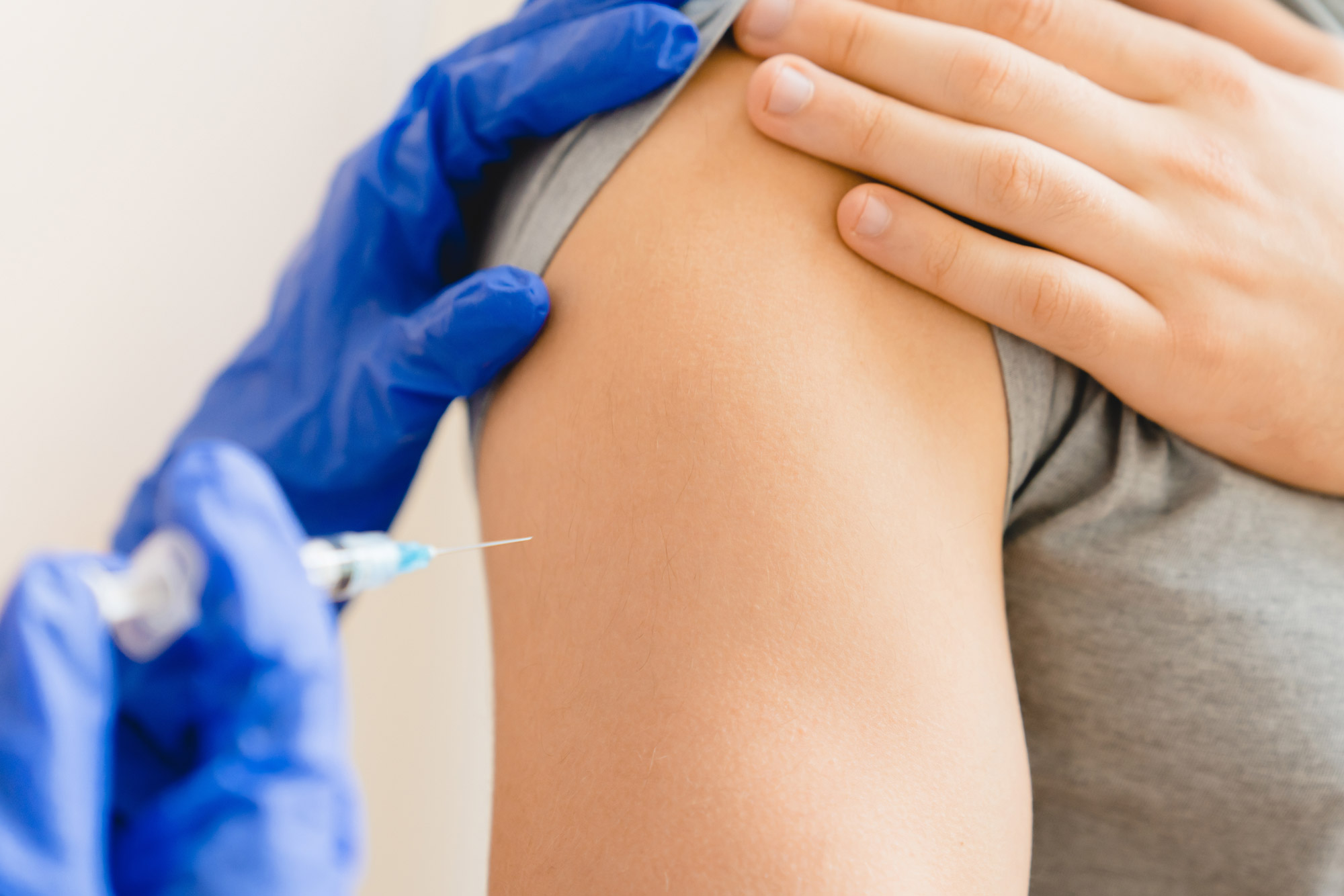
Steroid injections deliver moderate doses of corticosteroids directly into problematic joints or painful areas of the body. These aren’t the same as anabolic steroids used for muscle building. Medical steroids are powerful anti-inflammatory medications that reduce swelling and pain in affected joints.
Dr Nugwa mixes the steroid with a small amount of lidocaine, a local anaesthetic. The lidocaine serves two purposes. It reduces discomfort during injection and helps confirm the medication is going into exactly the right place. You’ll typically begin feeling the steroid’s effect a few days after injection, with maximum benefit developing over the following weeks.
Treatment options
- Knee osteoarthritis injections
- Hip trochanteric pain injections
- Shoulder joint injections including ACJ
- Trigger finger treatments
- Carpal tunnel syndrome injections
- Tennis elbow and golfer’s elbow treatments
- Base of thumb arthritis injections
- Dupuytren’s contracture treatments
Key benefits
Steroid injections provide targeted relief for chronic inflammatory conditions.
- Reduces inflammation and pain effectively
- Provides relief lasting weeks to months
- Allows you to perform physiotherapy exercises
- Targets specific problem areas precisely
- Non-surgical pain management option
- Improves joint mobility and function
How long does the treatment last?
The effects of steroid injections vary between individuals and conditions. Most people experience relief lasting weeks to months. Some clients report improvement lasting up to 18 months, though this is less common without additional management.
The injection alone provides temporary relief. The real value comes from using that pain-free period to do specific physiotherapy exercises that treat the underlying joint problem. If you rely solely on injections without rehabilitation, the effect will be shorter. However, when combined with proper exercises and sometimes additional treatments like radiofrequency therapy, results improve significantly and last longer. Some conditions may need repeat injections over time, whilst others improve permanently with proper rehabilitation.
Treatment Options for Steroid Injections

Knee Osteoarthritis Injections
Targeted relief for inflammatory knee joint pain.
- Reduces swelling and discomfort
- Enables physiotherapy exercises
- Improves mobility and function

Shoulder Joint Injections
Treatment for various shoulder conditions including ACJ pain.
- Addresses acromioclavicular joint inflammation
- Relieves pain when lifting arms or reaching across
- Allows rehabilitation of shoulder movement

Elbow Injections
Effective treatment for tennis elbow and golfer’s elbow.
- Targets lateral and medial epicondylitis
- Reduces chronic elbow inflammation
- Supports recovery with proper exercise
Hand and Wrist Treatments
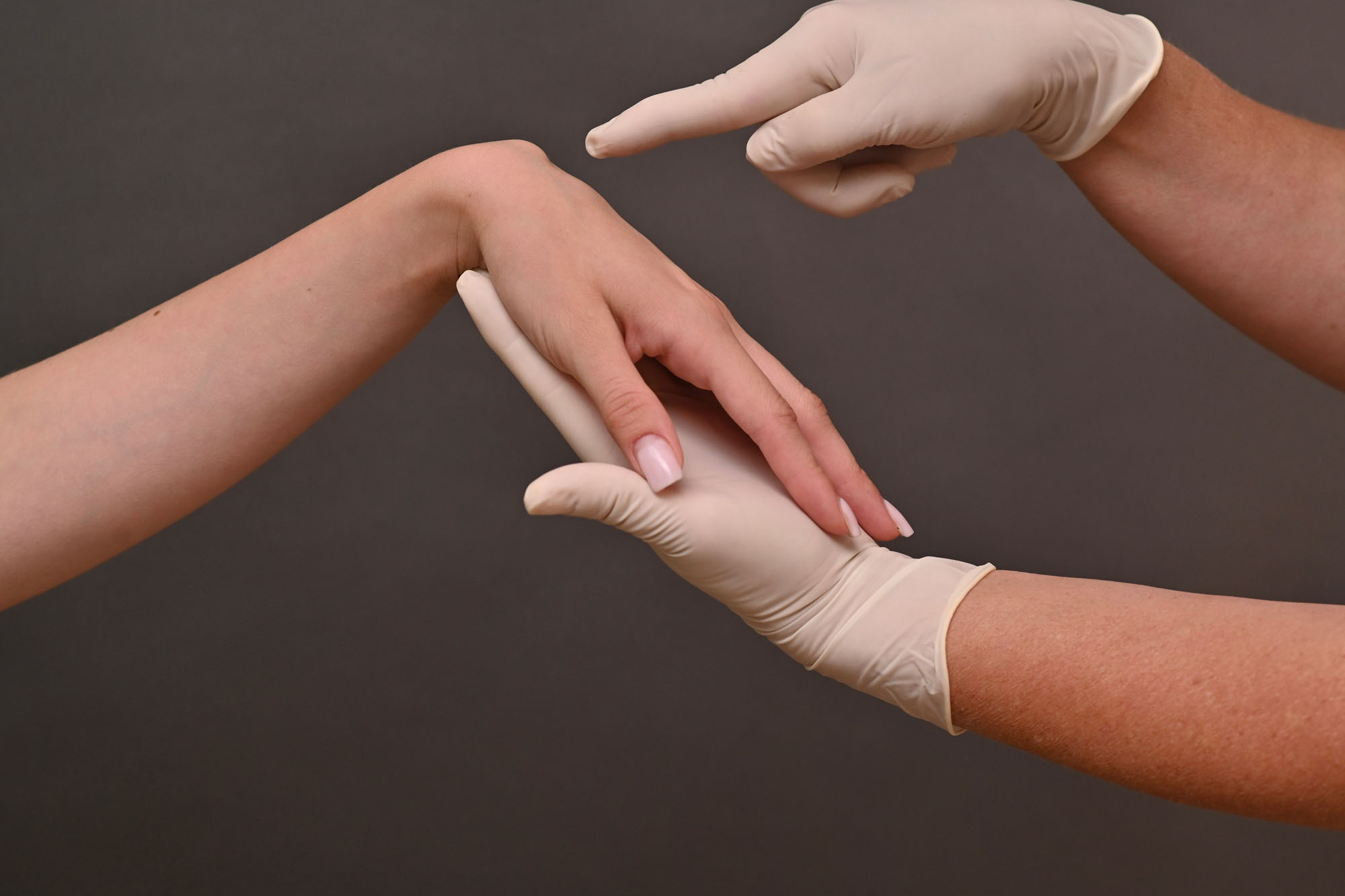
Injections for trigger finger, carpal tunnel, and thumb base arthritis.
- Relieves specific hand and wrist conditions
- Improves grip and hand function
- Minimally invasive alternative to surgery

Hip Trochanteric Pain Injections
Targets chronic hip pain in specific areas.
- Addresses trochanteric bursitis and pain
- Reduces discomfort during movement
- Improves daily activity tolerance

Dupuytren’s Contracture Treatment
Steroid injection approach for early contractures.
- Addresses finger contracture inflammation
- May slow progression in some cases
- Part of comprehensive hand treatment
At a glance
Treatment time
Each injection appointment takes approximately 20 to 30 minutes. This includes preparation, discussing the injection site, performing the injection, and post-treatment instructions. The actual injection takes just minutes.
Anaesthetic
Lidocaine mixed with steroid provides local numbing
Recovery time
Minimal, most return to activities within 24 hours
Duration of result
Weeks to months, some up to 18 months
Sessions
Single injection, may be repeated if needed
Results
Relief typically begins within a few days
Aftercare
Rest the injected area for 24 to 48 hours. Avoid strenuous activity immediately after injection. Begin prescribed physiotherapy exercises once comfortable, usually within days. Ice the area if swelling occurs. Take paracetamol if needed for discomfort, avoid anti-inflammatories immediately after injection as they may interfere with steroid effect.
Prices
Pricing depends on the joint being treated and the complexity of the injection.
Small joints are £250 and large joints are £300.
Dr Nugwa will confirm the exact cost during your consultation based on your condition.
Frequently asked questions
If you would like to discuss any concerns with your provider or have any other questions regarding your medical history, please get in touch.
Will the injection hurt?
The lidocaine in the injection mixture numbs the area, making the procedure more comfortable. You’ll feel a brief pinch as the needle enters, but most clients find it well-tolerated.
How quickly will I feel relief?
The lidocaine provides immediate but temporary relief. The steroid effect typically begins within a few days and builds over the following week or two.
Can I have steroid injections repeatedly?
Yes, but there are limits. Too many steroid injections in the same area can weaken tendons and other tissues. Dr Nugwa will advise on safe timing if repeat injections are needed.
Why do I need physiotherapy after injection?
The injection gives you a pain-free window to strengthen and rehabilitate the joint properly. Without this crucial step, the underlying problem remains and pain often returns. Physiotherapy addresses the root cause.
Are there side effects?
Side effects are generally minimal. Some people experience temporary soreness at the injection site, slight skin colour changes, or minor bleeding. Serious complications are rare with proper technique.
Which conditions don’t respond well to steroid injections?
Plantar plate tears are controversial. Dr Nugwa doesn’t generally recommend steroid injections for these as they can worsen the tear. She uses PRP injections instead for better results.

Why choose Dr N Clinics?
Dr Nugwa’s approach to steroid injections goes beyond temporary pain relief. She views injections as part of comprehensive treatment, not a standalone solution. You’ll receive clear guidance on rehabilitation exercises and additional treatments that maximise your results. Her medical expertise ensures accurate injection placement and appropriate treatment selection for your specific condition. Some problems need steroid injections, others benefit from alternative approaches like PRP or radiofrequency therapy. Dr Nugwa will recommend what actually works, not just what’s easiest.