
Lymphedema Treatment
Living with chronic swelling in your limbs affects everything you do. Lymphedema creates heaviness, discomfort, and limitations that impact your daily life. This condition, where lymph fluid fails to drain properly, causes persistent swelling that won’t resolve on its own. At Dr N Clinics, Dr Nugwa offers specialised lymphatic drainage therapy to manage lymphedema effectively. Whilst lymphedema is a chronic condition, proper treatment can significantly reduce swelling, improve comfort, and help you maintain better function in affected limbs.
What is Lymphedema
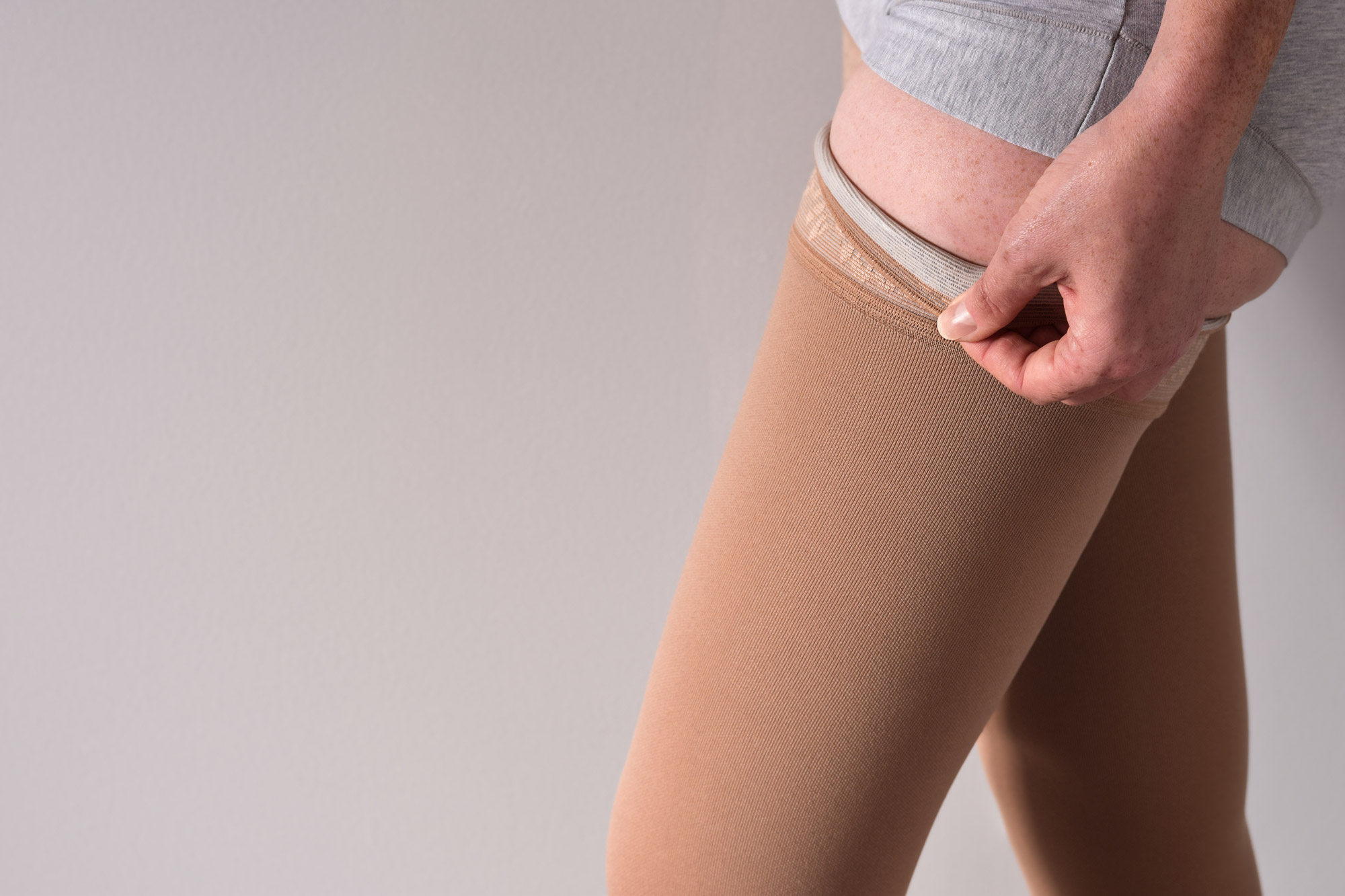
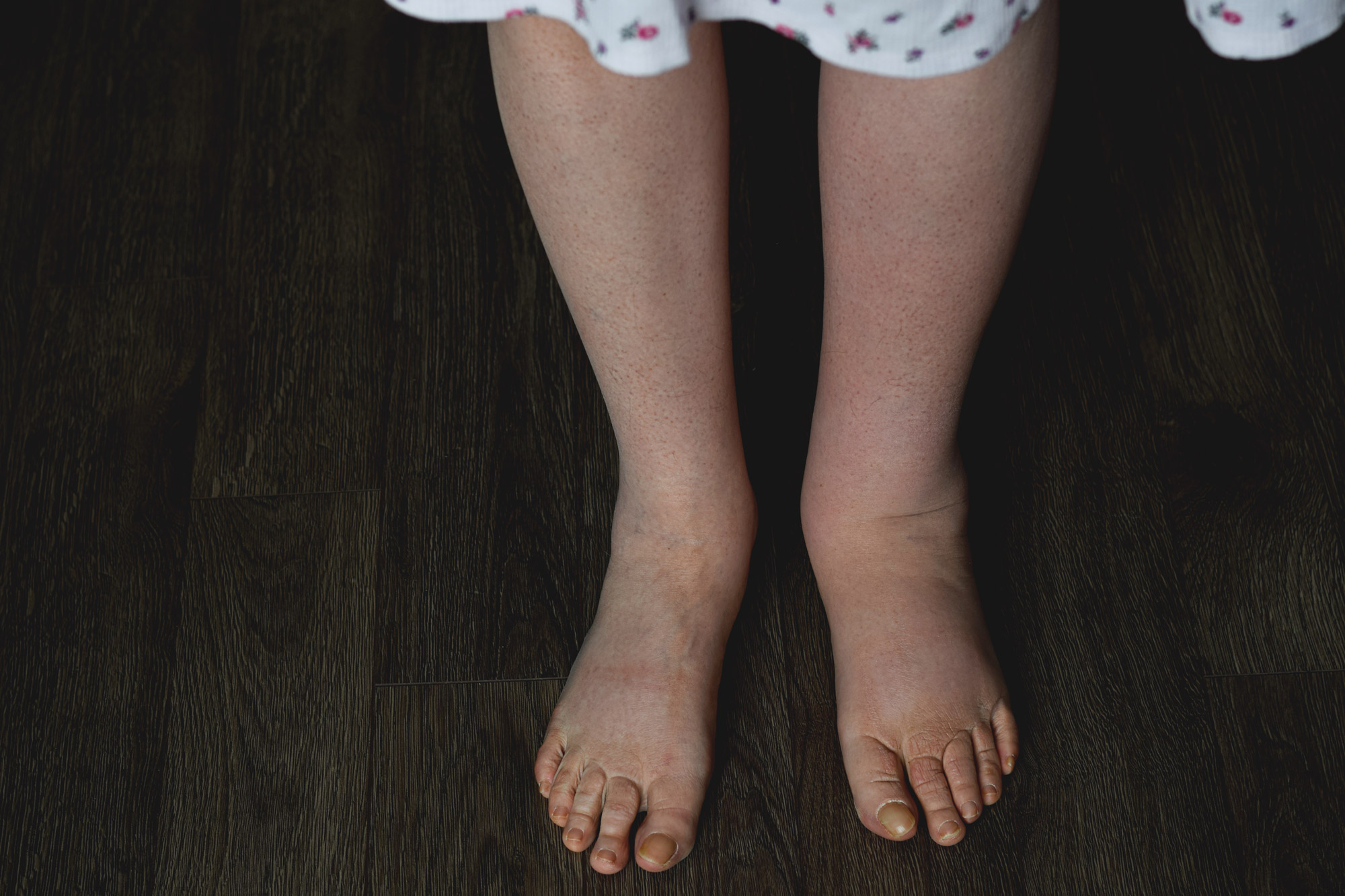
Lymphedema is a chronic condition where lymph fluid accumulates in limbs, causing persistent swelling. The lymphatic vessels that normally drain fluid from tissues become blocked or fail to function properly. This creates fluid buildup that makes the affected limb swollen, heavy, and uncomfortable. Lymphedema most commonly affects legs, though it can occur in arms and other areas too. The swelling doesn’t resolve with rest or elevation alone because the drainage system itself isn’t working. The limb becomes progressively larger, feeling tight and heavy. This affects mobility, clothing fit, and quality of life. Various factors cause lymphedema, including surgery, radiation, infection, or congenital problems with the lymphatic system. Lymphatic drainage therapy helps manage this condition by manually opening lymph nodes and encouraging fluid flow, reducing the size and discomfort of affected limbs.
Treatment options
- Manual lymphatic drainage massage
- Opening blocked lymph pathways
- Chronic swelling management
- Limb size reduction therapy
- Regular maintenance treatment
Key benefits
Lymphedema treatment provides ongoing management of chronic lymphatic swelling.
- Reduces limb size and swelling
- Relieves heaviness and discomfort
- Improves mobility and function
- Opens lymph drainage pathways
- Manages chronic condition effectively
- Enhances quality of life
- Provides regular symptom control
How long does the treatment last?
Lymphedema is a chronic condition requiring ongoing management. Unlike temporary swelling that resolves completely, lymphedema needs regular treatment to maintain improvement. Most clients benefit from regular sessions, with frequency depending on severity.
After treatment, you’ll notice reduced limb size and improved comfort. This improvement lasts for days to weeks, but swelling gradually returns as lymph accumulates again. Regular maintenance sessions keep swelling controlled and manageable. Some clients need weekly treatments, others manage well with fortnightly or monthly sessions. The key is consistent management rather than expecting permanent resolution. With proper ongoing care, lymphedema remains controlled, allowing you to maintain better function and comfort in affected limbs.
Treatment Options for Lymphedema Treatment
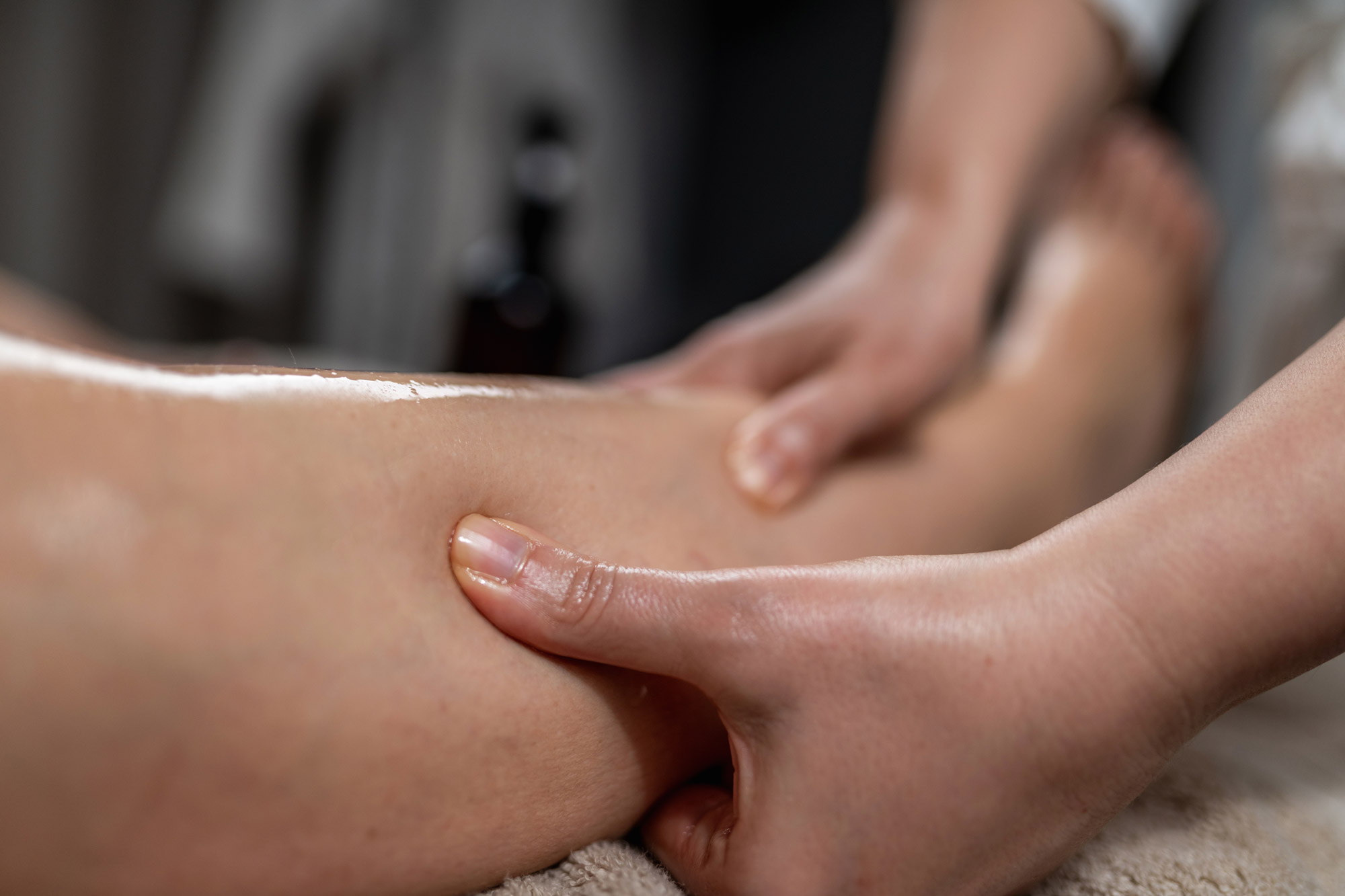
Manual Lymphatic Drainage for Chronic Lymphedema
Specialised massage technique for long-term condition management.
- Opens blocked lymph vessels and nodes
- Reduces chronic limb swelling
- Improves lymphatic system function
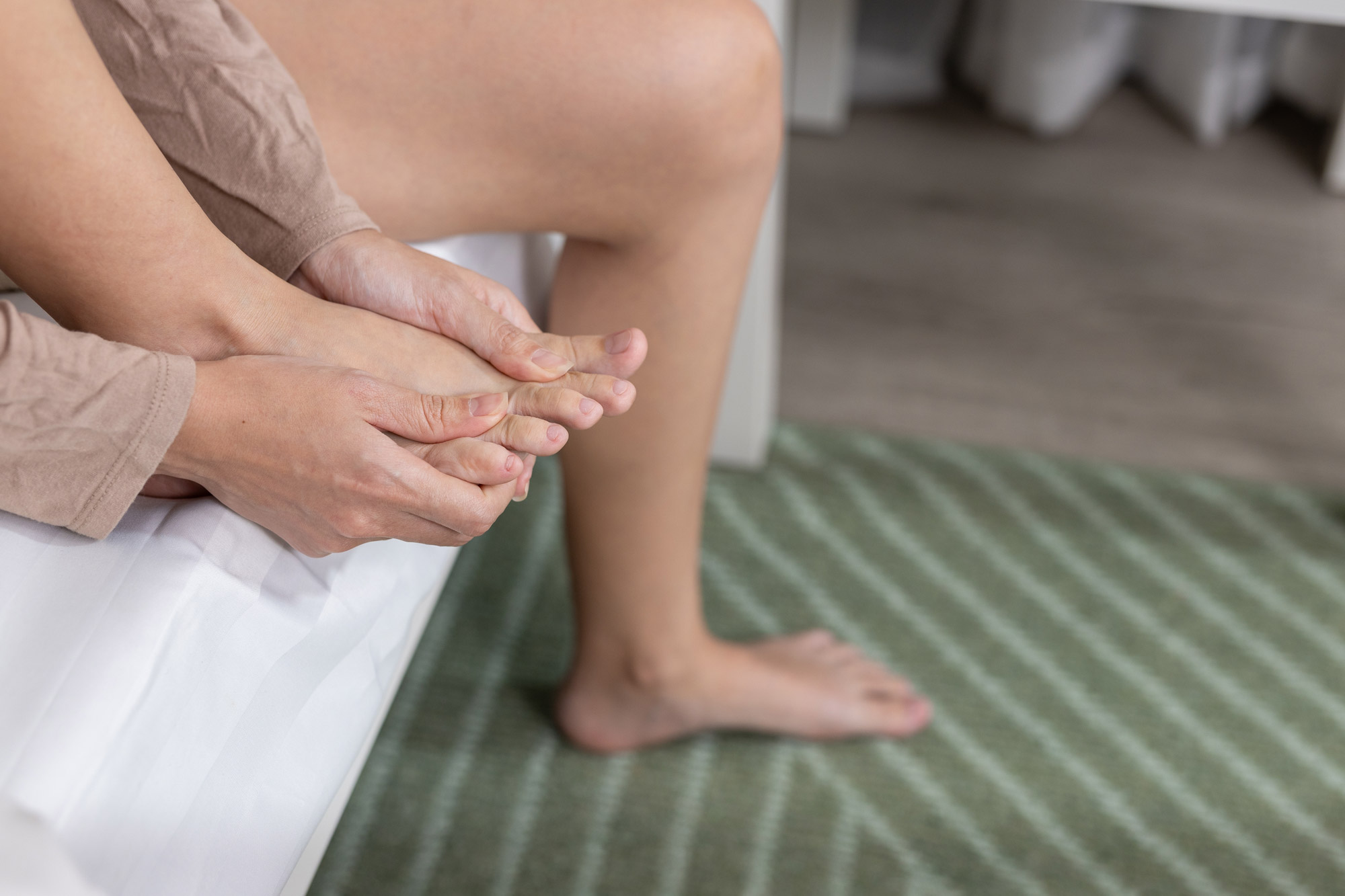
Leg Lymphedema Management
Targeted treatment for lower limb swelling.
- Reduces calf and ankle swelling
- Relieves leg heaviness and tightness
- Improves walking and mobility
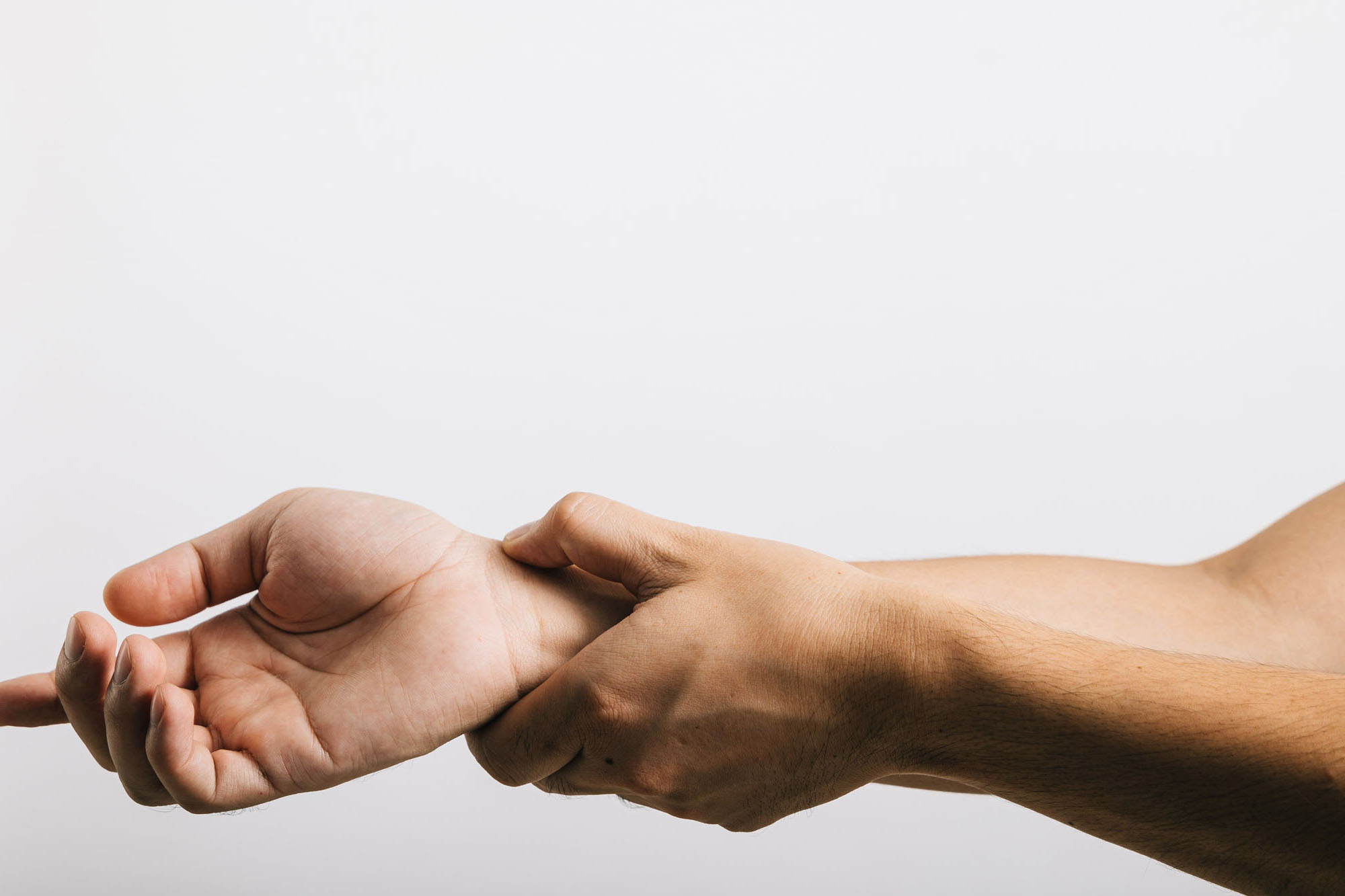
Arm Lymphedema Treatment
Addresses upper limb chronic swelling.
- Reduces arm size and discomfort
- Improves arm function and movement
- Particularly helpful post breast surgery lymphedema
Regular Maintenance Protocol
Ongoing treatment plan for consistent swelling control.
- Prevents severe swelling episodes
- Maintains limb size reduction
- Provides reliable symptom management
Quality of Life Enhancement
Comprehensive approach improving daily function.
- Reduces physical burden of swelling
- Improves ability to perform daily activities
- Enhances overall wellbeing
At a glance
Treatment time
Each session lasts approximately 60 minutes depending on the extent and severity of lymphedema. Treatment addresses the entire affected limb and related lymph node areas thoroughly.
Anaesthetic
Not required, treatment is gentle
Recovery time
None, return to normal activities immediately
Duration of result
Days to weeks, varies by lymphedema severity
Sessions
Regular ongoing treatments, frequency individualised to your needs
Results
Reduced limb size and improved comfort after each session
Aftercare
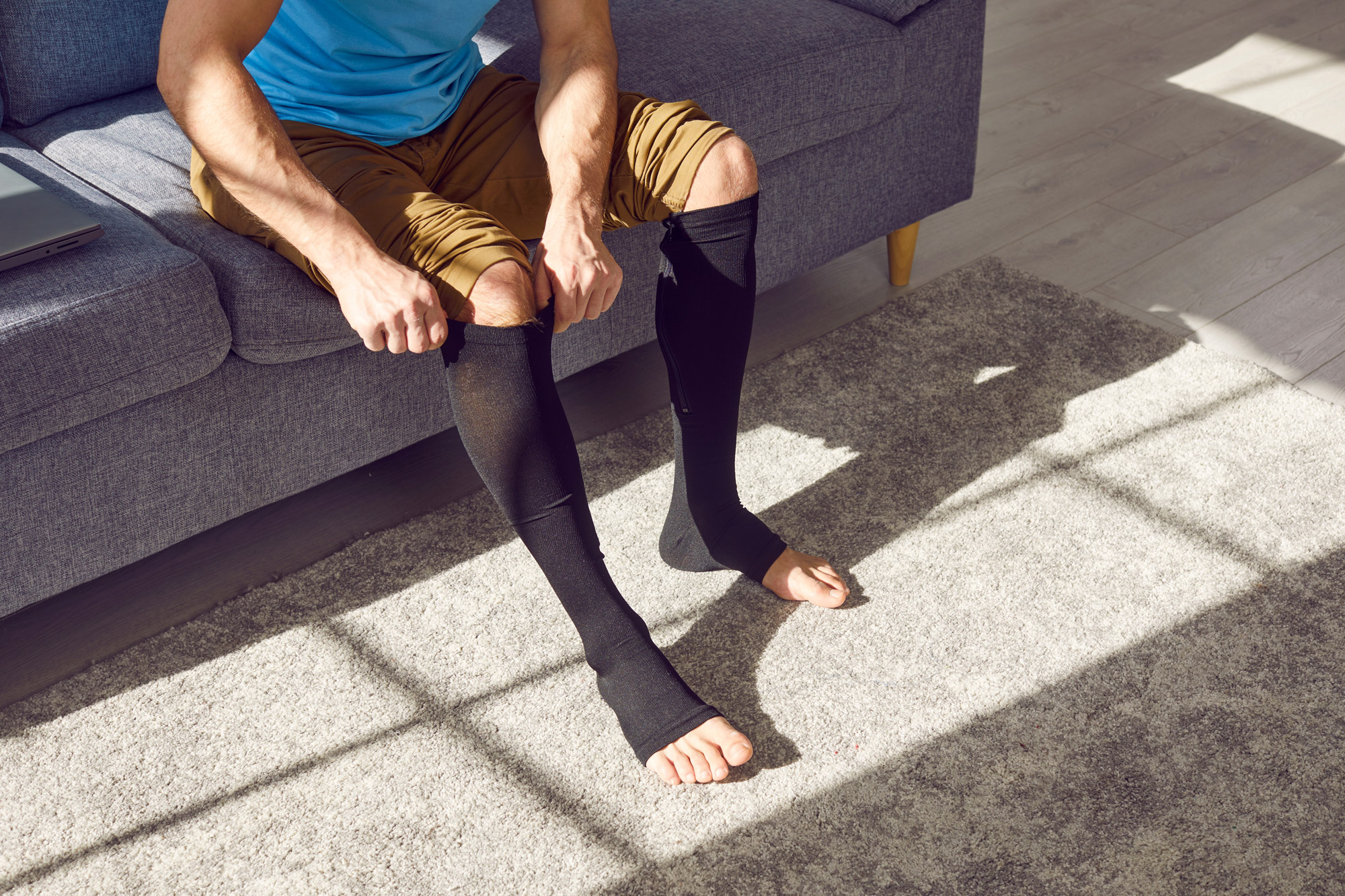
Wear compression garments as prescribed between treatments. Elevate affected limb when resting. Stay well hydrated to support lymphatic function. Gentle exercise and movement encourage drainage. Protect skin on affected limb from injury and infection. Attend regular treatment sessions for consistent management.
Prices
Pricing for lymphedema treatment depends on the number of sessions and the duration of care needed. A series of six sessions is £1200. This treatment is also included in our annual membership package. During your consultation, Dr Nugwa will discuss ongoing care costs and what to expect.
Frequently asked questions
If you would like to discuss any concerns with your provider or have any other questions regarding your medical history, please get in touch.
Can lymphedema be cured?
Lymphedema is a chronic condition that cannot be cured, but it can be managed very effectively. Regular lymphatic drainage keeps swelling controlled, improving your quality of life significantly.
How often will I need treatment?
This varies based on your lymphedema severity. Some clients need weekly sessions, others manage well with treatments every two to four weeks. Dr Nugwa will recommend a schedule based on your response.
Will my limb return to normal size?
Significant size reduction is achievable, but returning completely to pre-lymphedema size isn’t always possible. The goal is maximum comfortable reduction and maintaining that improvement through regular care.
Do I need to wear compression garments?
Yes, compression garments are an important part of lymphedema management. They work alongside drainage therapy to maintain improvement between treatments. Dr Nugwa will advise on appropriate compression.
What causes lymphedema?
Various factors cause lymphedema including surgery, particularly cancer surgery, radiation therapy, infection, injury, or congenital lymphatic system problems. Sometimes the cause isn’t clearly identified.
Can lymphedema get worse without treatment?
Yes, untreated lymphedema typically progresses over time. The limb becomes larger and more uncomfortable. Regular treatment prevents worsening and maintains better function.

Why choose Dr N Clinics?
Dr Nugwa understands that living with chronic lymphedema requires ongoing support, not just occasional treatment. Her lymphatic drainage technique provides effective swelling reduction whilst she develops a sustainable management plan with you. You’ll receive realistic guidance about what’s achievable and how to maintain results between sessions. Dr Nugwa’s medical expertise means she recognises complications requiring additional medical attention and coordinates care appropriately. Lymphedema shouldn’t limit your life more than necessary. With proper management, you can maintain comfortable limb size, better mobility, and improved quality of life despite this chronic condition.