
PRP Injections
Your body has remarkable healing abilities. PRP injections harness those natural healing properties to repair damaged tissues and relieve chronic pain. Platelet-rich plasma therapy uses your own blood to promote healing in injured joints, tendons, and ligaments. At Dr N Clinics, Dr Nugwa offers PRP injections as an effective alternative to steroid treatments, particularly for conditions where steroids may worsen the problem. This regenerative approach supports your body’s natural repair processes for lasting relief.
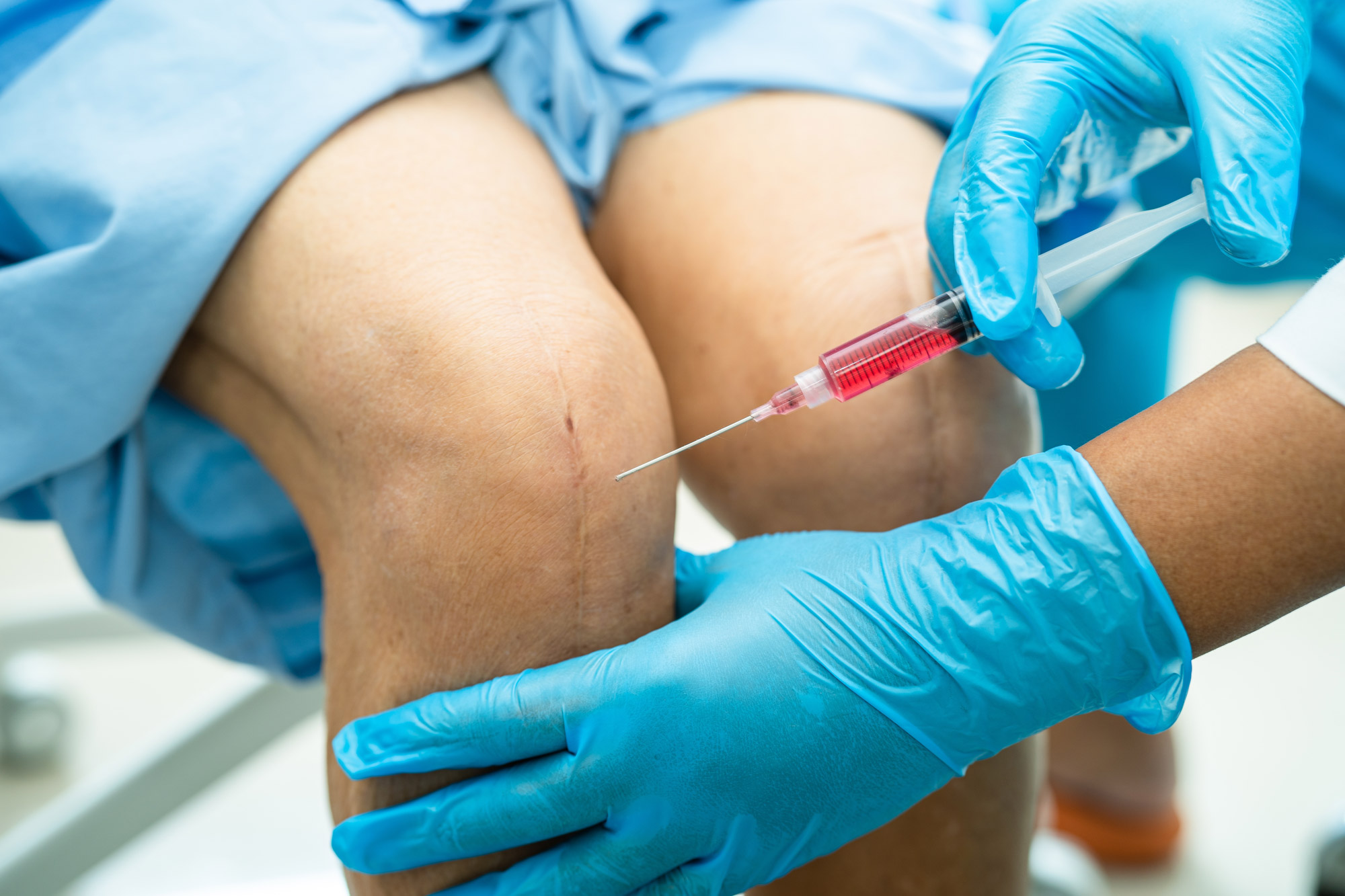
What is PRP Injections
PRP stands for platelet-rich plasma. Platelets are components of your blood containing growth factors and healing properties. The treatment involves taking a small blood sample, then separating and concentrating the platelets from the rest of your blood. What remains is a platelet-dense fluid packed with healing factors. This concentrated plasma is then injected back into your own body, specifically into the injured or painful area.
Because it’s your own blood, there’s no risk of rejection or allergic reaction. The high concentration of platelets stimulates natural repair processes, encouraging damaged tissue to heal properly. Dr Nugwa has found this approach particularly successful for plantar plate tears and conditions where steroid injections aren’t ideal.
Treatment options
- Plantar plate tear treatment
- Joint repair and regeneration
- Tendon and ligament injuries
- Chronic pain management
- Alternative to steroid injections for specific conditions
Key benefits
PRP injections offer regenerative healing using your body’s own resources.
- Uses your own blood for natural healing
- No risk of rejection or allergic reactions
- Promotes actual tissue repair, not just symptom relief
- Effective for plantar plate tears
- Alternative when steroids aren’t suitable
- Supports long-term healing and recovery
How long does the treatment last?
PRP treatment focuses on actual healing rather than temporary symptom relief. Results develop gradually as your tissue repairs itself over weeks to months. Most clients notice improvement within a few weeks, with continued healing over the following months.
Dr Nugwa’s clients with plantar plate tears have reported very significant improvement in their chronic pain. The healing is real tissue repair, not just inflammation reduction. Because of this, results can be long-lasting or even permanent when the tissue heals properly. Some conditions may benefit from multiple PRP sessions, though many clients achieve excellent results from one or two treatments.
Treatment Options for PRP Injections
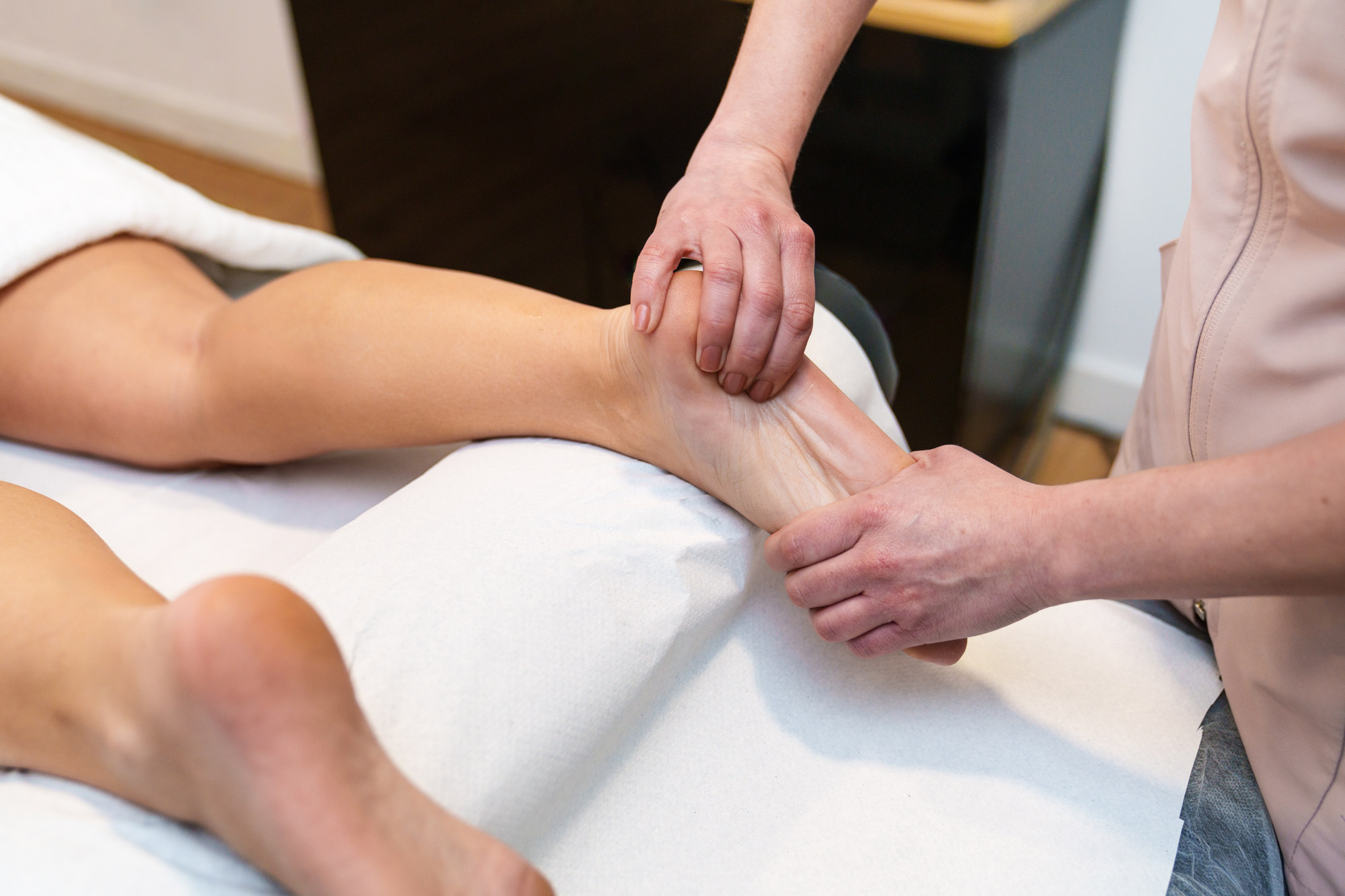
Plantar Plate Tear Treatment
Highly effective for this specific foot condition where steroids can worsen damage.
- Promotes actual tissue healing and repair
- Clients report very significant pain improvement
- Superior results compared to steroid approach
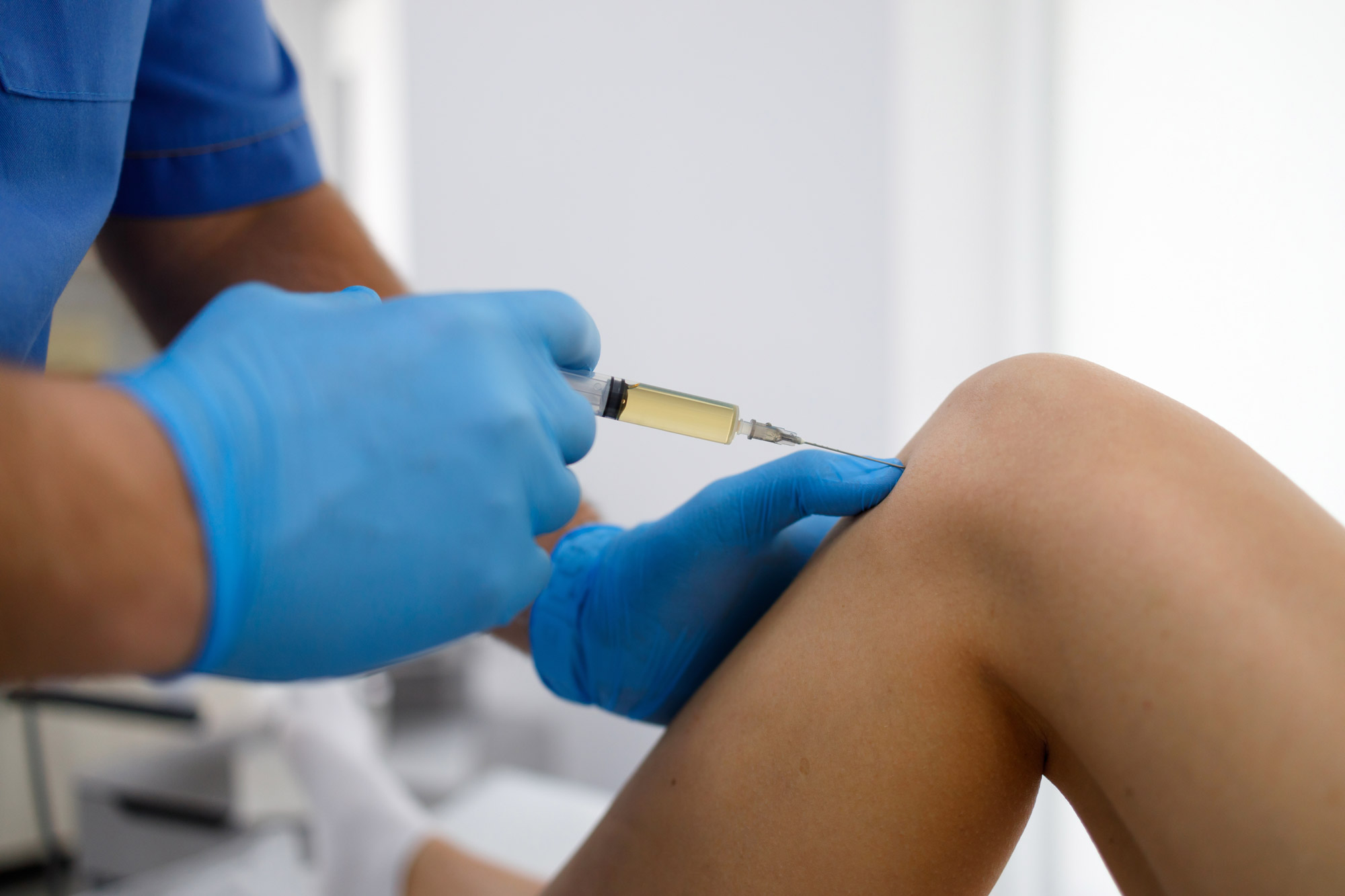
Joint Regeneration Therapy
Natural healing approach for joint problems and osteoarthritis.
- Stimulates cartilage and tissue repair
- Reduces inflammation through healing
- Supports long-term joint health
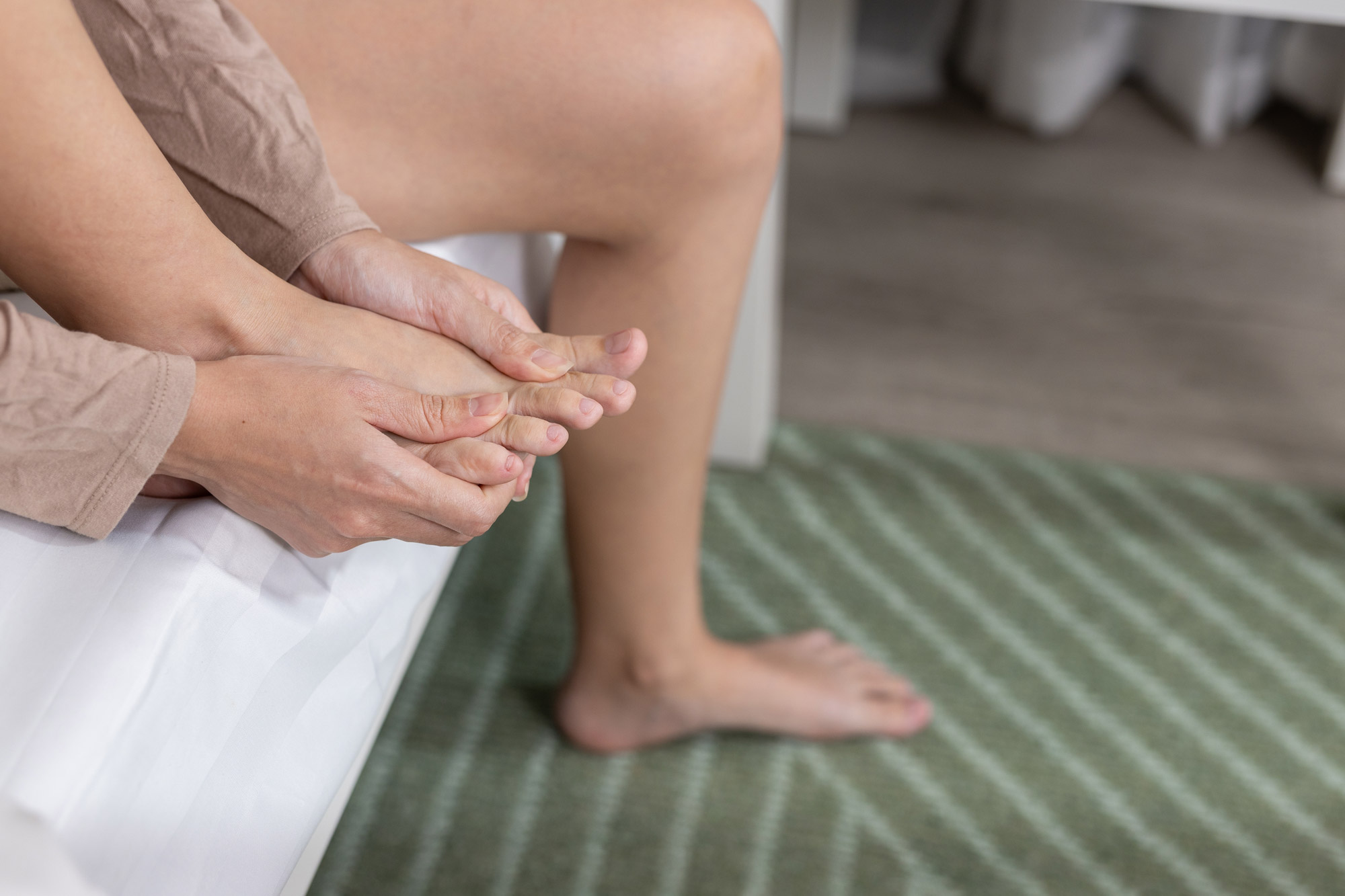
Tendon and Ligament Repair
PRP promotes healing in damaged soft tissues.
- Addresses chronic tendon injuries
- Supports ligament healing
- Reduces pain through tissue regeneration
Chronic Pain Management
Regenerative approach for persistent musculoskeletal pain.
- Targets underlying tissue damage
- Provides lasting relief through healing
- Alternative to repeated steroid injections
At a glance
Treatment time
The complete procedure takes approximately 60 minutes. This includes blood collection, processing the blood to concentrate platelets using a centrifuge, preparing the injection site, and performing the injection itself.
Anaesthetic
Local anaesthetic may be used at injection site if needed
Recovery time
Minimal, some activity restriction for 24-48 hours
Duration of result
Months to long-term as tissue heals
Sessions
One to three sessions typically, depending on condition
Results
Gradual improvement over weeks to months
Aftercare
Rest the treated area for 24 to 48 hours after injection. Avoid anti-inflammatory medications for two weeks as they may interfere with healing process. Ice can be used if needed for comfort. Begin gentle movement as tolerated, progressing to rehabilitation exercises as directed. Avoid strenuous activity on treated area for one to two weeks.
Prices
Pricing for PRP treatment is discussed during your consultation and depends on your condition and the number of sessions you may need. A series of three sessions is £550.
This treatment is also included in our annual membership package.
Frequently asked questions
If you would like to discuss any concerns with your provider or have any other questions regarding your medical history, please get in touch.
How is PRP different from steroid injections?
Steroids reduce inflammation but don’t heal damaged tissue. PRP actually promotes tissue repair and regeneration. For conditions like plantar plate tears, steroids can worsen the damage whilst PRP supports healing.
Is the procedure painful?
Blood collection is like a standard blood test. The injection may cause some discomfort, but local anaesthetic can be used. Most clients find the procedure very tolerable.
Why do you recommend PRP for plantar plate tears?
Plantar plate tears involve actual tissue damage, not just inflammation. Steroids can complete or worsen the tear. PRP promotes the tissue to heal properly, which is why Dr Nugwa’s clients have had such successful results.
How long before I see results?
Most people notice improvement within two to four weeks, with continued healing over the following months. The timeline varies based on your condition and how your body responds.
Can PRP be used for all joint problems?
PRP works well for many musculoskeletal conditions, particularly those involving tissue damage. However, it’s not suitable for everything. Dr Nugwa will assess whether PRP is the right approach for your specific problem.
Will I need multiple treatments?
Some conditions respond to a single treatment, whilst others benefit from two or three sessions. Dr Nugwa will recommend a treatment plan during your consultation.
Why choose Dr N Clinics?
Dr Nugwa bases treatment decisions on what actually works, not what’s trendy. Her experience shows PRP delivers excellent results for specific conditions, particularly plantar plate tears where she’s seen remarkable improvements. You won’t receive PRP just because it’s available. You’ll receive it because it’s the right treatment for your condition.
Dr Nugwa’s medical expertise ensures proper technique, from blood processing to injection placement. This attention to detail makes the difference between mediocre and excellent outcomes. You’ll receive honest advice about expected results and realistic timelines for your healing.