
Post Inflammatory Hyperpigmentation
Dark marks left behind after acne, eczema, or skin injuries can linger for months or even years. Post inflammatory hyperpigmentation affects confidence and seems resistant to regular skincare products. At Dr N Clinics, Dr Nugwa specialises in treating these stubborn dark marks with proven medical approaches. Whether your pigmentation comes from acne, burns, scratches, or poorly performed treatments elsewhere, we offer effective solutions to fade these marks and restore even-toned skin.
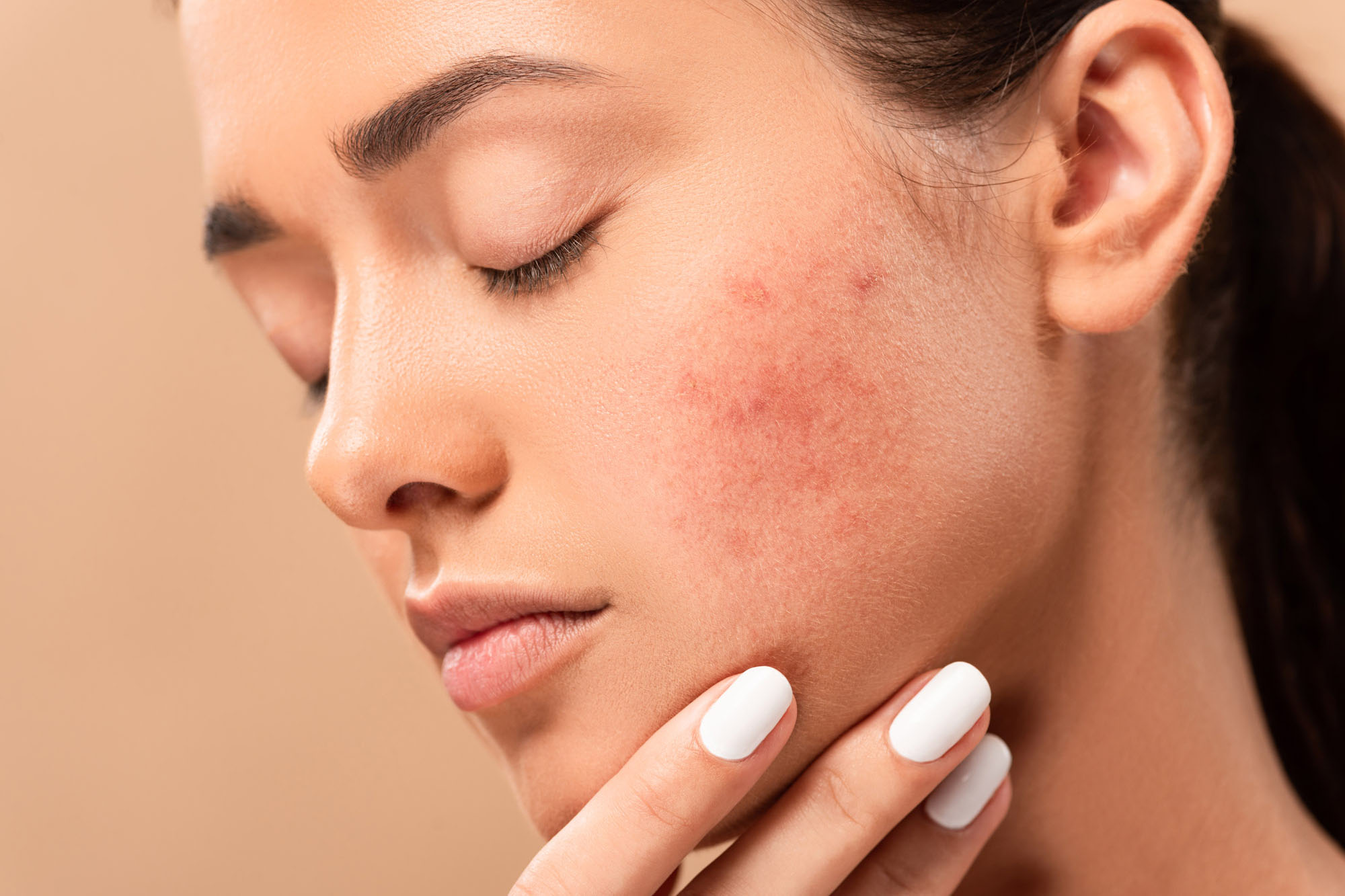
What is Post Inflammatory Hyperpigmentation
Post inflammatory hyperpigmentation, or PIH, refers to dark marks that appear after any type of skin inflammation. When your skin experiences trauma like acne, eczema, a scratch, burn, or cut, it can overproduce melanin in that area. This creates a flat, dark spot that remains long after the original injury has healed.
People with darker skin tones are particularly prone to PIH because they naturally have more melanin. The type of melanin in skin of colour, called eumelanin, makes these marks more noticeable and pronounced. Even Caucasian skin can develop PIH, though it typically appears as lighter brown or reddish marks.
Unfortunately, incorrect treatment like improperly performed laser therapy or chemical peels can actually cause PIH, creating the very problem the person was trying to avoid.
Treatment options
- Chemical peels
- Microneedling
- Topical creams including kojic acid and hydroquinone
- Lasers
- LED light
Key benefits
Our PIH treatments address pigmentation through multiple pathways for comprehensive results.
- Effectively reduces dark marks from acne and injuries
- Works at different stages of melanin production
- Suitable for all skin types, especially darker tones
- Prevents recurring hyperpigmentation
- Combines in-clinic and at-home treatments
- Improves overall skin tone and clarity
How long does the treatment last?
PIH treatment requires patience, but it’s not difficult to treat when done correctly. The timeline depends on how dark the marks are, how long they’ve been there, and your skin type. Darker skin tones may need more time as they’re prone to producing more pigmentation.
Most clients see gradual fading over several weeks to months. The more treatment points you address in the melanin production process, the better your results. We typically recommend a series of treatments combined with daily topical use. Results can be long-lasting, but new inflammation can create new marks. Prevention and prompt treatment of any skin inflammation helps maintain clear, even-toned skin.
Treatment Options for Post Inflammatory Hyperpigmentation
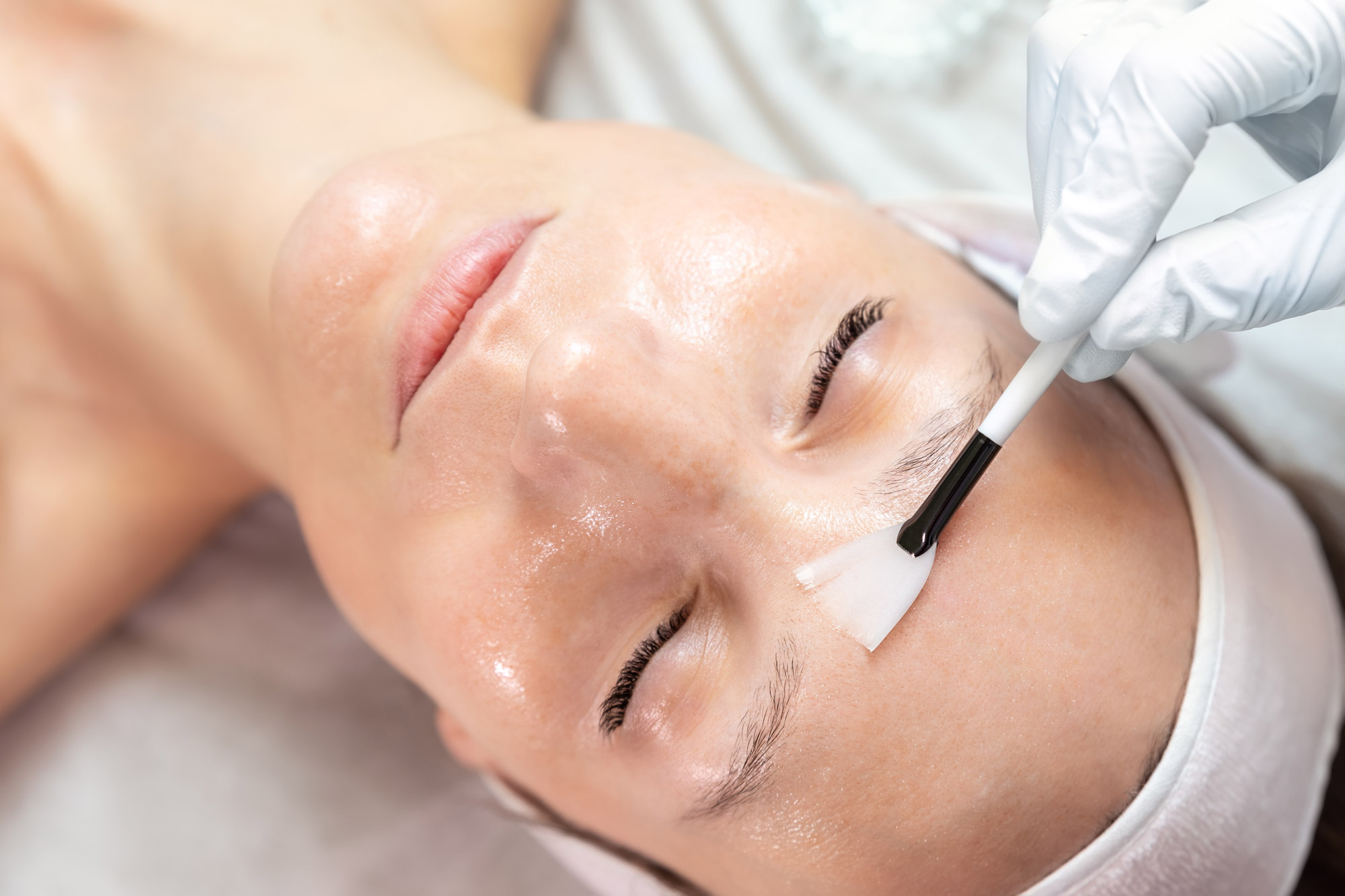
Chemical Peels
Removes excess melanin whilst promoting healthy skin renewal.
- Targets pigmentation at multiple levels
- Stimulates collagen for brighter skin
- Series of treatments for progressive improvement
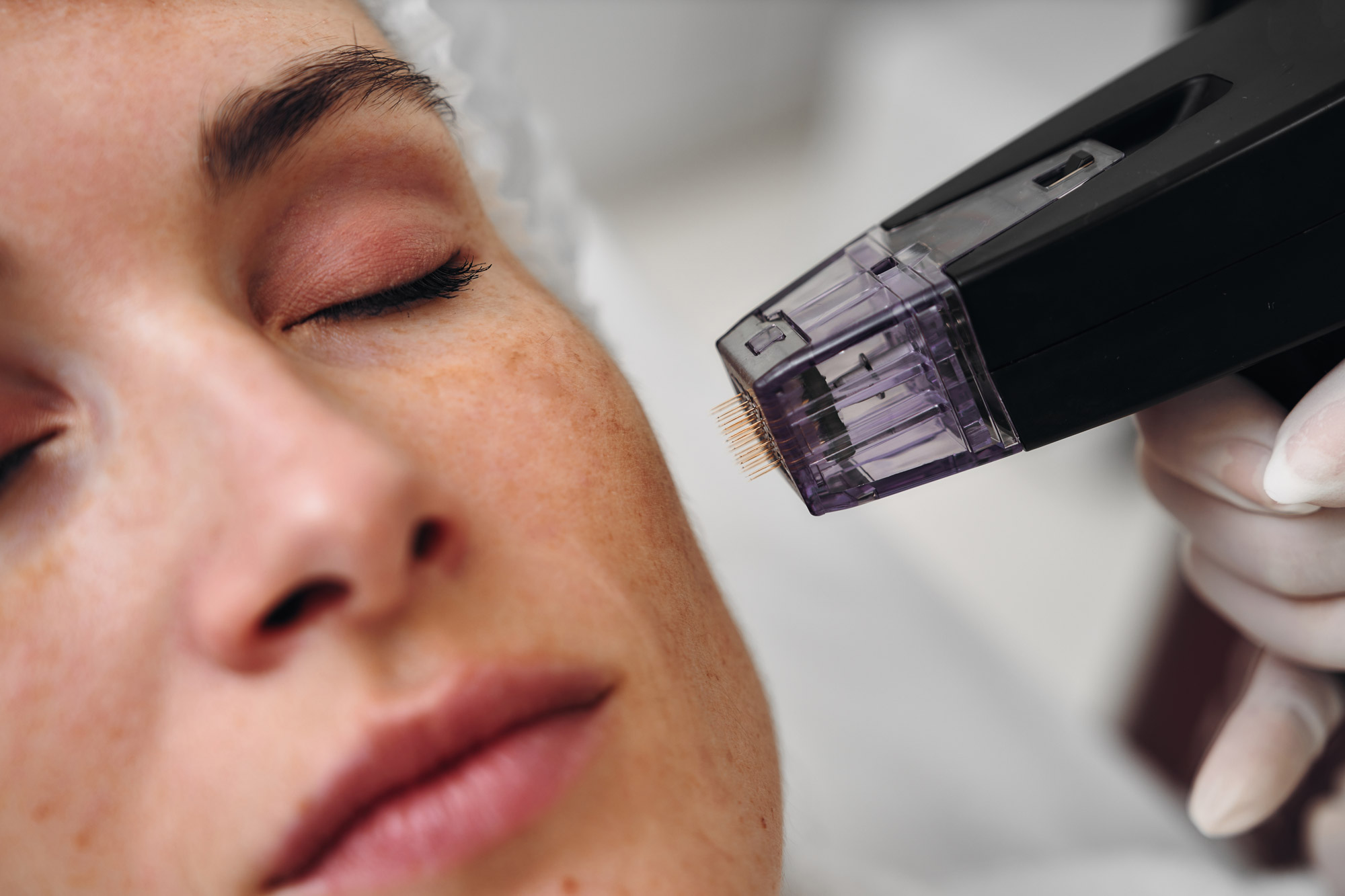
Microneedling Therapy
Creates channels for better penetration of pigmentation-fighting ingredients.
- Enhances absorption of topical treatments
- Stimulates natural skin healing
- Effective for stubborn dark marks
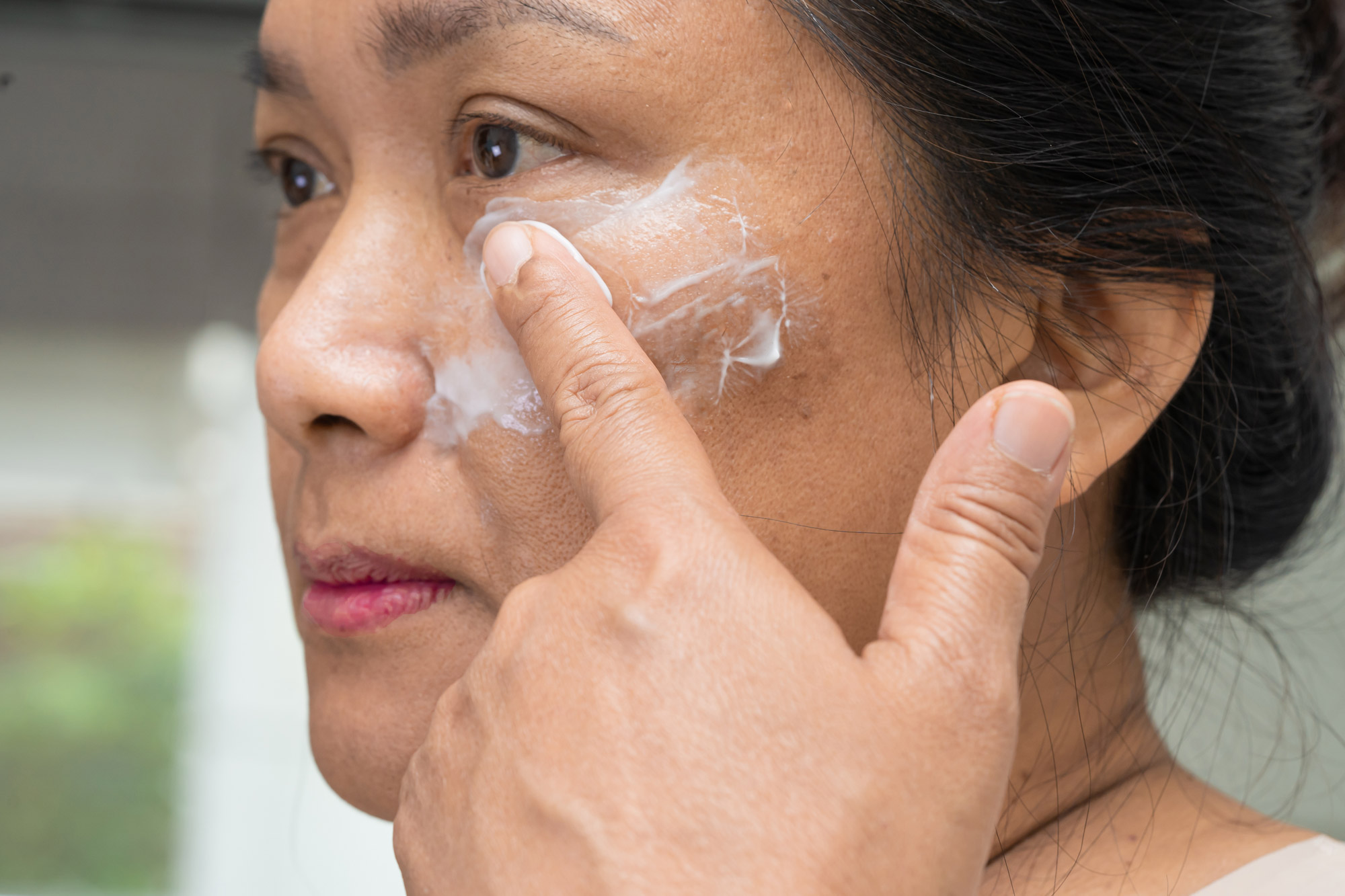
Medical Grade Topical Treatments
Professional strength products working continuously at home.
- Kojic acid interrupts melanin production
- Hydroquinone offers gold standard results when used carefully
- Multiple agents address different stages of pigmentation
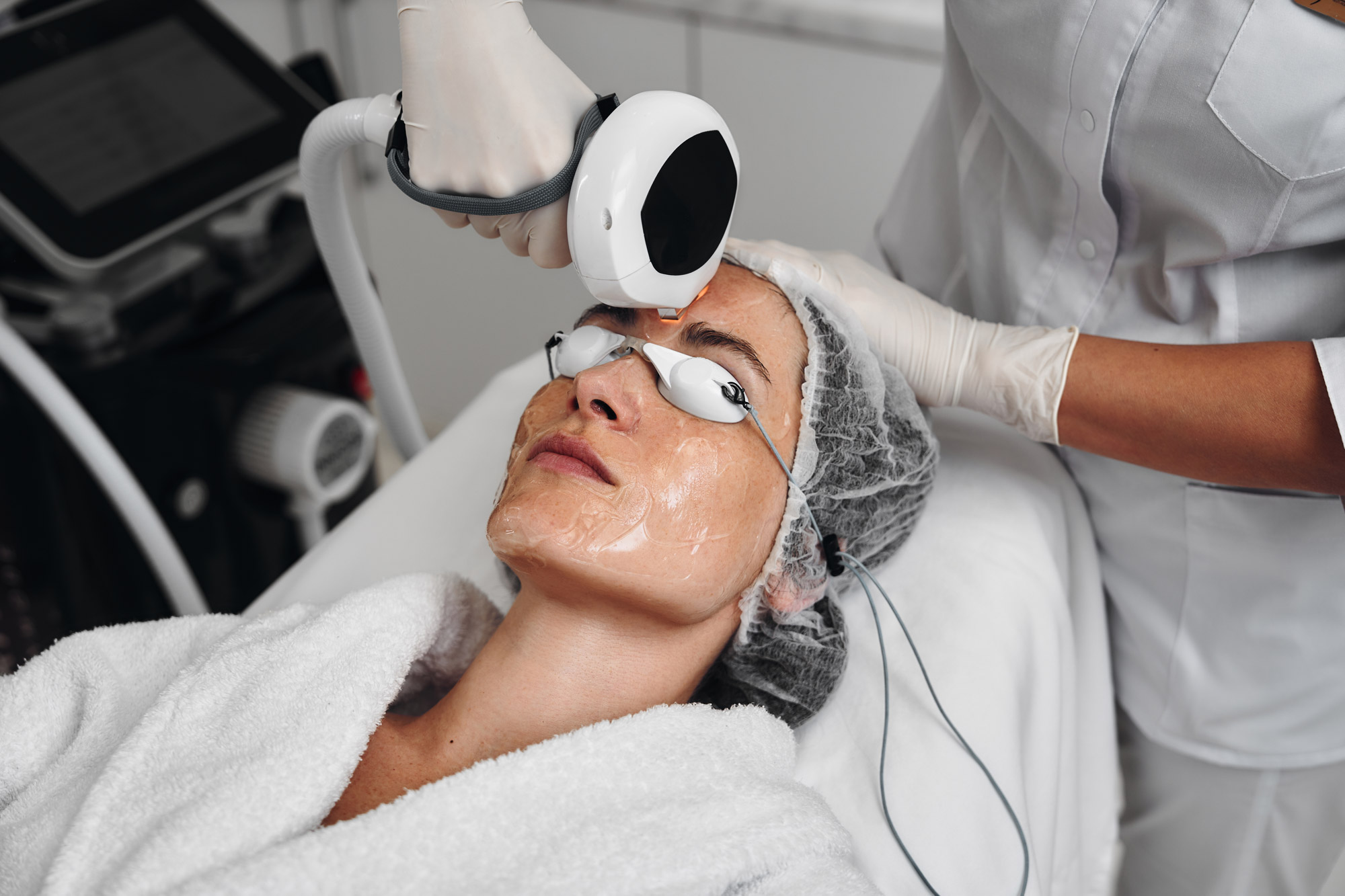
Laser Treatments
Precise targeting of specific dark marks.
- Effective for resistant pigmentation
- Must be performed by experienced practitioners
- Can worsen PIH if done incorrectly
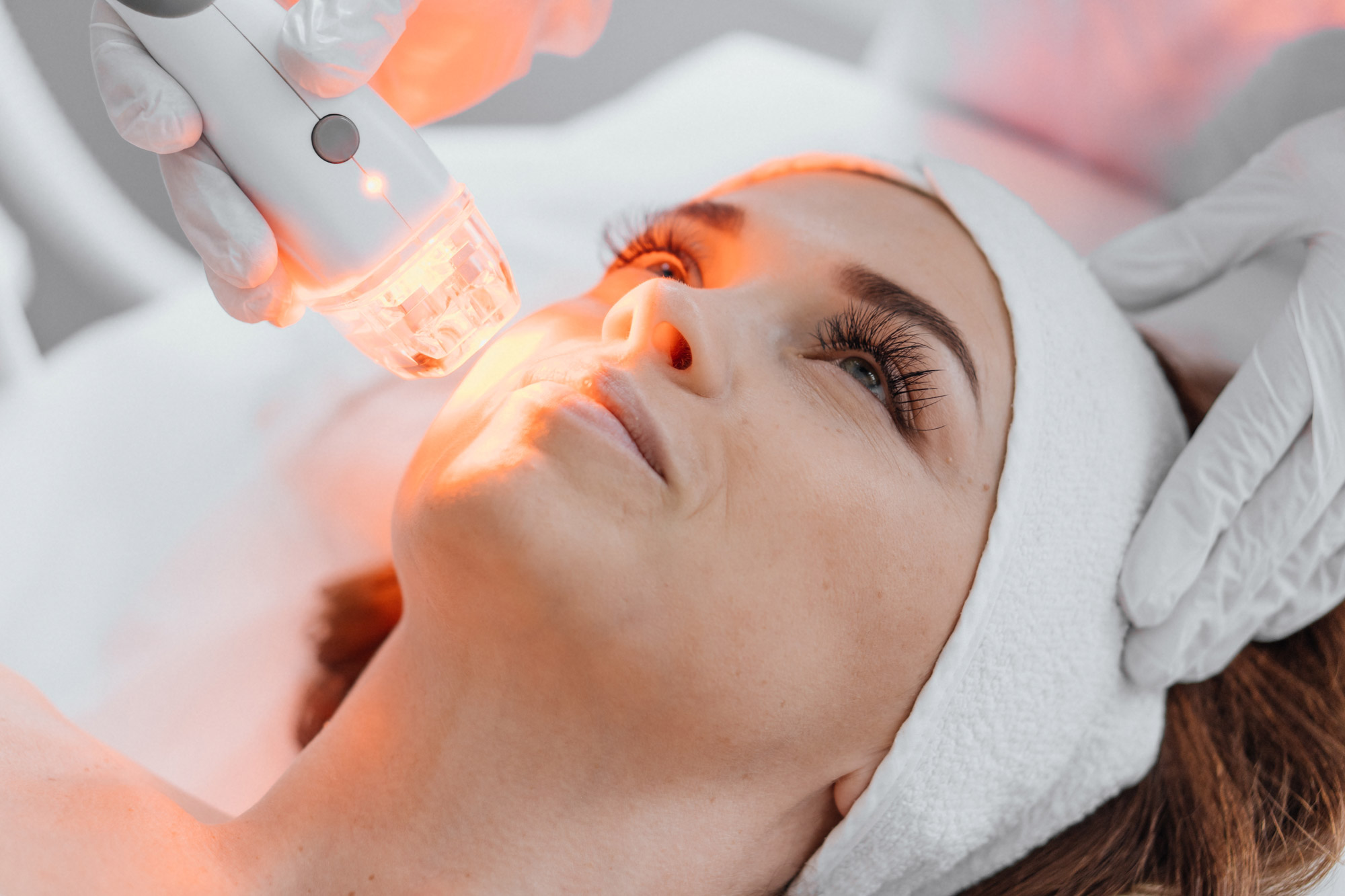
LED Light Therapy
Gentle, supportive treatment for skin healing and pigmentation reduction.
- Non-invasive with no downtime
- Supports other treatments
- Suitable for sensitive skin
At a glance
Treatment time
Varies by method. Chemical peels take 45 minutes to an hour. Microneedling sessions take around 60 minutes. Topical treatments are applied daily at home as directed.
Anaesthetic
Topical numbing cream for microneedling
Recovery time
Minimal to moderate depending on treatment
Duration of result
Long-lasting with proper skincare maintenance
Sessions
Multiple sessions recommended for best results
Results
Gradual fading over weeks to months
Aftercare
Sun protection is absolutely essential to prevent darkening of marks. Use SPF 50 daily and reapply every two hours. Avoid picking at skin or new inflammation. Continue prescribed topical treatments consistently. Gentle skincare only after in-clinic procedures.
Prices
Pricing varies depending on your treatment plan. Dr Nugwa will discuss costs during your consultation based on the severity of your pigmentation and recommended treatments.
| Dr Nugwa | |
|---|---|
| Standard Package (3 months) | from £550 |
| Advanced Package (3 months) | from £750 |
| Premium Package (6 months) | from £1200 |
| Membership (annual) find out more | from £3000 |
Frequently asked questions
If you would like to discuss any concerns with your provider or have any other questions regarding your medical history, please get in touch.
Why is my skin prone to dark marks after any injury?
If you have darker skin, you naturally produce more melanin. Your skin responds to any inflammation by producing excess melanin as a protective mechanism. This is why even small scratches or insect bites can leave dark marks that linger for months.
Can incorrect treatments cause post inflammatory hyperpigmentation?
Yes, absolutely. Improperly performed laser treatments, chemical peels, or other aesthetic procedures can trigger PIH, especially in darker skin tones. This is why choosing an experienced practitioner who understands skin of colour is crucial.
How is treating PIH different from treating melasma?
Whilst both involve excess melanin, PIH occurs after specific inflammation events, whereas melasma has hormonal and sun-related triggers. Treatment approaches overlap, but PIH often responds more quickly when the inflammation source is addressed.
Will the dark marks fade on their own eventually?
Some PIH fades naturally over time, but this can take many months or even years. Treatment significantly speeds up the fading process and prevents marks from becoming permanent.
Why do you use hydroquinone carefully?
Hydroquinone is the gold standard for treating hyperpigmentation, but it must be used very carefully. Incorrect use can paradoxically worsen pigmentation or cause other complications. Under proper medical supervision, it’s highly effective and safe.
Can I prevent PIH from happening?
The best prevention is treating inflammation quickly, avoiding picking at skin, and using excellent sun protection. If you’re prone to PIH, see Dr Nugwa promptly when skin issues arise so we can treat them before dark marks develop.
Why choose Dr N Clinics?
Dr Nugwa has extensive experience treating post inflammatory hyperpigmentation in all skin types, with particular expertise in skin of colour. She understands how darker skin responds to treatment and knows which approaches work safely and effectively. You won’t receive aggressive treatments that risk making your pigmentation worse. Instead, you’ll get carefully planned therapy that addresses your specific skin needs.
Dr Nugwa’s medical background means she can identify and treat the underlying causes of inflammation whilst addressing the pigmentation itself. This comprehensive approach delivers better, longer-lasting results.